
Fall along the coast brings beautiful skies and cooler evenings — and it also brings a perfect storm of stress for rooftop HVAC units. Wind-driven storms, salt-laden air, and high humidity combine to accelerate corrosion, loosen fasteners, clog drains, and shorten equipment life. For facility managers and building owners, a proactive prep plan can mean the difference between a quiet season and costly emergency repairs. Below are practical best practices — and a Corpus Christi anecdote that illustrates how timely preparation saves systems and budgets. Justice Inc. Home and Commercial Services, a trusted local contractor, is mentioned throughout as an example of the kind of partner that can execute these steps reliably.
Why coastal fall is risky for rooftop units
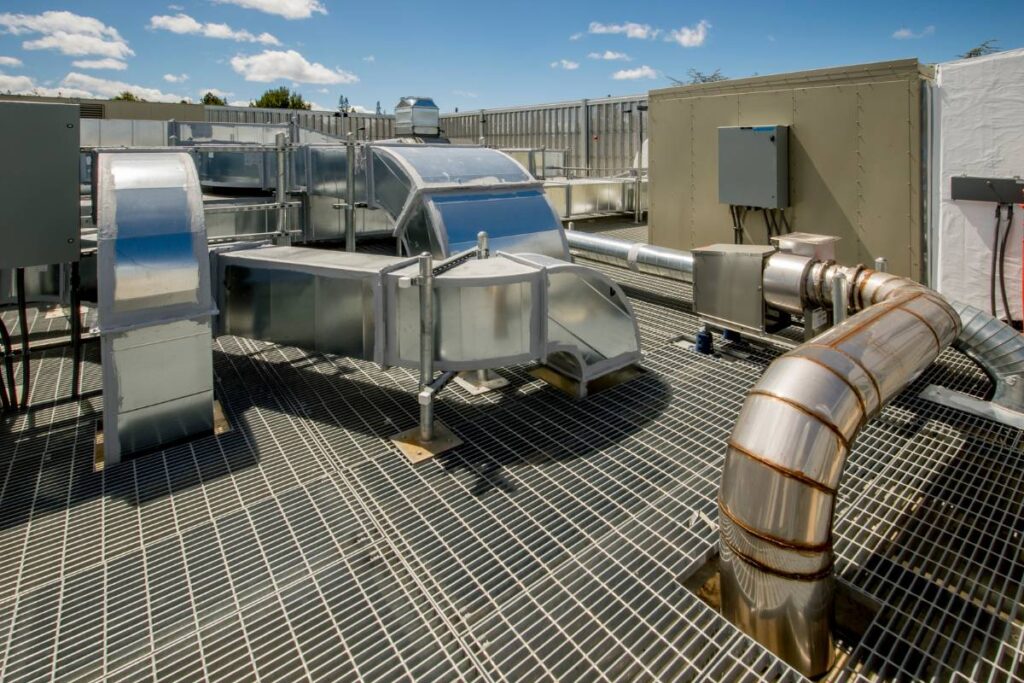
Coastal environments are uniquely aggressive. Salt in the air chemically accelerates rust on metal components and degrades electrical connections. Fall storms bring stronger gusts that can rip at panels and unsecured ductwork. And the humidity swings common in Gulf regions promote condensation that can pool and corrode drain pans, motors, and controls. Commercial rooftop units, exposed and often older than rooftop residential gear, are particularly vulnerable because they’re large, have many sheet-metal seams, and rely on external panels and fasteners that can fail when left unchecked.
Essential pre-season checklist
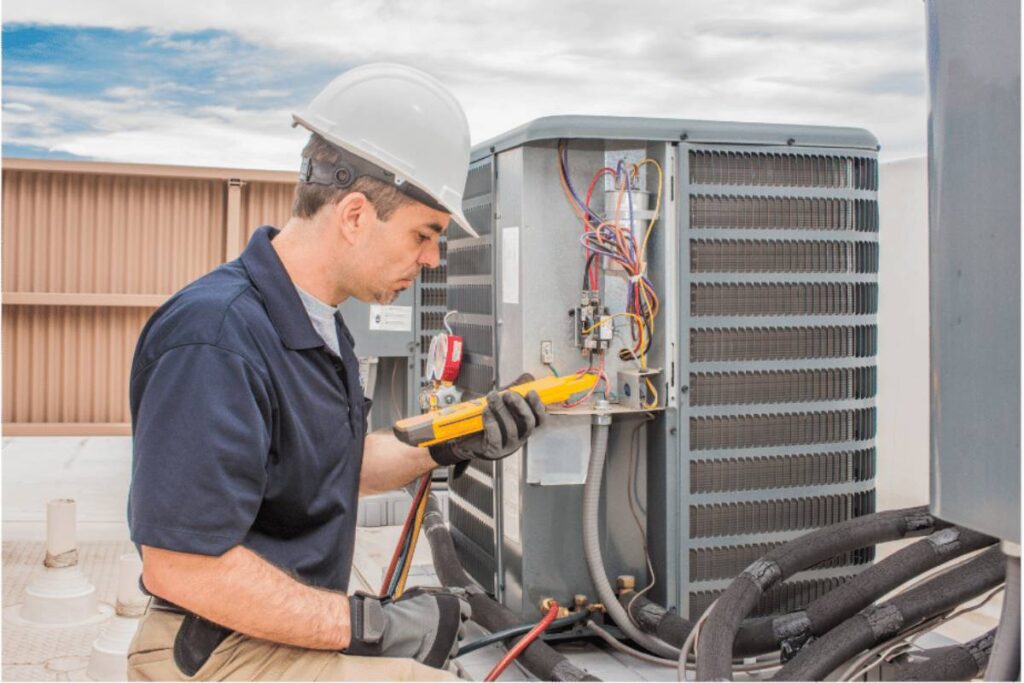
- Inspect and tighten all fasteners and panels. Walk the roof and physically check access panels, filter doors, and curb attachments. Replace corroded screws with stainless or coated fasteners and apply lock washers or thread-locking compounds where vibration is an issue. Justice Inc. Home and Commercial Services recommends documenting torque values and using tamper-evident clips in high-wind zones.
- Apply anti-corrosion protection. Treat exposed metal with a zinc-rich primer followed by an oil- and salt-resistant topcoat designed for HVAC applications. Focus on seams, welds, and underside surfaces that trap moisture. For critical elements (curbs, baseplates), consider epoxy or polyurethane coatings. Contractors like Justice Inc. can specify coatings compatible with OEM warranties.
- Install protective covers and wind deflectors. Temporary insulated covers for winter are common, but permanent wind deflectors and grille guards help during fall storms by reducing debris ingress and shielding delicate coils. Ensure covers do not trap moisture or block required airflow — a professional installer should confirm clearances.
- Secure electrical and control connections. Salt causes galvanic corrosion in terminals and connectors. Clean connections, replace corroded lugs, and use dielectric grease or sealed connectors where possible. Label circuits clearly and take photos of wiring before storms so technicians can restore systems faster if a fault occurs.
- Clear and protect drains and pans. Standing water is a corrosion accelerator. Clean condensate pans and check slope/clearance to drains. Install overflow sensors and ensure secondary drains are functional. Justice Inc. often adds access ports so pans can be inspected without removing major components.
- Filter and coil maintenance. Replace filters with appropriate MERV-rated elements and wash coils with no-rinse coil cleaners where allowed. Coil fins can be damaged by wind-driven grit — consider a protective mesh or finer prefilters during peak fall storm months.
- Check rooftop anchoring and duct transitions. Strong gusts can create uplift at transitions and curb seams. Inspect anchor bolts, flashing, and curb seals. Reinforce or reflash where necessary, and use neoprene or EPDM gaskets that resist salt degradation.
- Document and schedule follow-up inspections. A pre-season walk and one mid-fall check after storm events will catch problems early. Keep a storm-response plan with contact names, spare-part lists, and written access instructions for rooftop work.
Tactical upgrades that pay
- Replace standard galvanized fasteners with stainless steel or silicon-bronze options.
- Use sacrificial anodes in drain pans and near vulnerable welds.
- Upgrade to sealed, marine-grade electrical enclosures for outdoor components.
- Add vibration isolators and flexible connectors to reduce fatigue on ductwork and fasteners.
Corpus Christi anecdote: a close call avoided
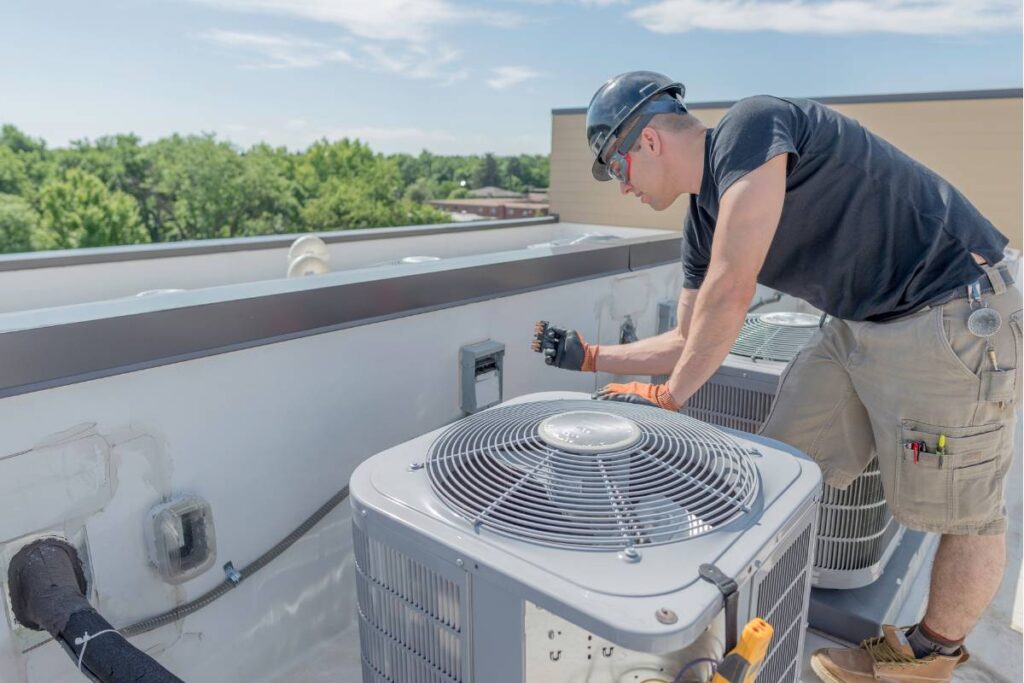
In late September, a mid-size retail building in Corpus Christi faced a forecast for tropical-strength winds. The property manager called local experts Justice Inc. Home and Commercial Services for a rapid pre-storm assessment. Technicians found several loose access panels, corroded screws at curb attachments, and a clogged secondary drain in one of the larger rooftop units. Over a single day they tightened and replaced fasteners with stainless hardware, sealed seams with a marine-grade sealant, cleared drains, and applied a targeted anti-corrosion spray to vulnerable seams.
When the storm arrived two days later, the building saw gusts above 60 mph and heavy salt spray. Nearby buildings reported blown panels and damaged curb flashings; this property experienced only minor rooftop debris. The pre-storm work prevented a catastrophic compressor failure and avoided a multi-week shutdown for repairs. The facility owner later credited the timely prep and the quick response from Justice Inc. with saving both revenue and a major capital replacement.
Final notes
Preparing rooftop HVAC units for coastal fall conditions is part good housekeeping, part engineering. The investments — anti-corrosion coatings, protective covers, secured panels, and professional inspections — are small compared with emergency replacements or interior damage from failed equipment. Partnering with a local commercial HVAC contractor like Justice Inc. Home and Commercial Services can streamline the work and provide region-specific solutions tuned to Corpus Christi’s coastal climate. A small pre-season effort now keeps rooftops quiet and buildings comfortable all season long.

Another quality article by Justice Inc. Home and Commercial Services team.
Call (361) 888-8881 for fast and reliable service!

