
Where are the critical places to insulate your pipes in Coastal Bend homes? Living in the Coastal Bend means enjoying warm Gulf breezes for much of the year—but it also means dealing with sudden cold snaps that can put your home’s plumbing at risk. Even a few hours of freezing temperatures can split pipes, damage fixtures, and lead to expensive water losses. That’s why proper pipe insulation isn’t just a winter precaution; it’s a year-round investment in your home’s resilience.
Whether you’re a homeowner preparing for winter or simply looking to protect your plumbing, here are five critical—and often overlooked—places where you should insulate your pipes. For expert guidance or professional installation, Justice Inc. Home and Commercial Services, one of the most trusted plumbing companies in Corpus Christi, can help ensure your home is fully protected.
1. Outdoor Hose Bibs and Exterior Spigots
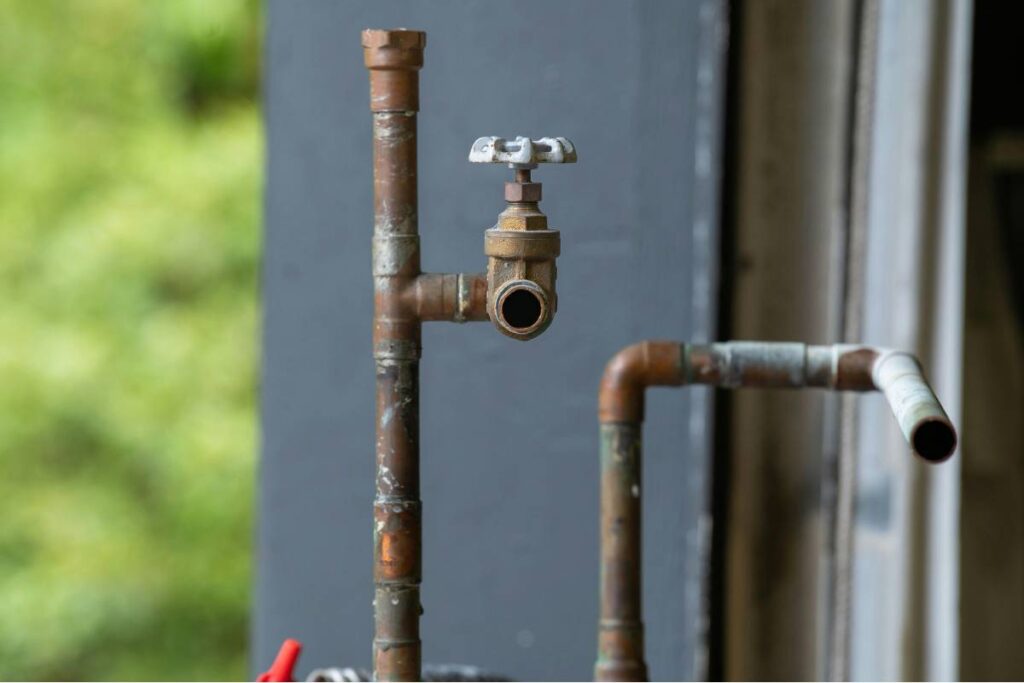
Outdoor faucets are one of the first plumbing components to freeze when temperatures dip. They’re directly exposed to the elements, and many homeowners forget they even exist until a cold snap hits.
Why it matters:
A frozen hose bib can cause water to back up into interior walls, leading to burst pipes you never see coming. Damaged exterior spigots can also leak into siding or foundations.
How to protect them:
- Install insulated hose bib covers (a low-cost but highly effective solution).
- Disconnect hoses before cold weather arrives.
- Add short lengths of pipe wrap or foam insulation around the supply line leading to the spigot.
If you’re unsure whether your exterior plumbing is adequately protected, Justice Inc. Home and Commercial Services can inspect your outdoor fixtures and install high-quality insulation to prevent freeze-related failures.
2. Attic Plumbing Lines
Many Coastal Bend homes route water lines through the attic to reach upper floors, outdoor areas, or even HVAC equipment. Because attics can reach extreme temperatures—hot in summer and cold in winter—any exposed plumbing is vulnerable.
Risks of uninsulated attic pipes:
- Freezing during sudden cold fronts
- Condensation damage during humid months
- Cracks from thermal expansion and contraction
What to do:
Use foam insulation sleeves or fiberglass wrap to cover every accessible line. Pay special attention to lines running near vents or roof edges, where temperatures fluctuate most dramatically.
If navigating the attic sounds daunting, Justice Inc. Home and Commercial Services can quickly identify vulnerable sections and insulate them safely and efficiently.
3. Crawl Space or Under-Home Plumbing
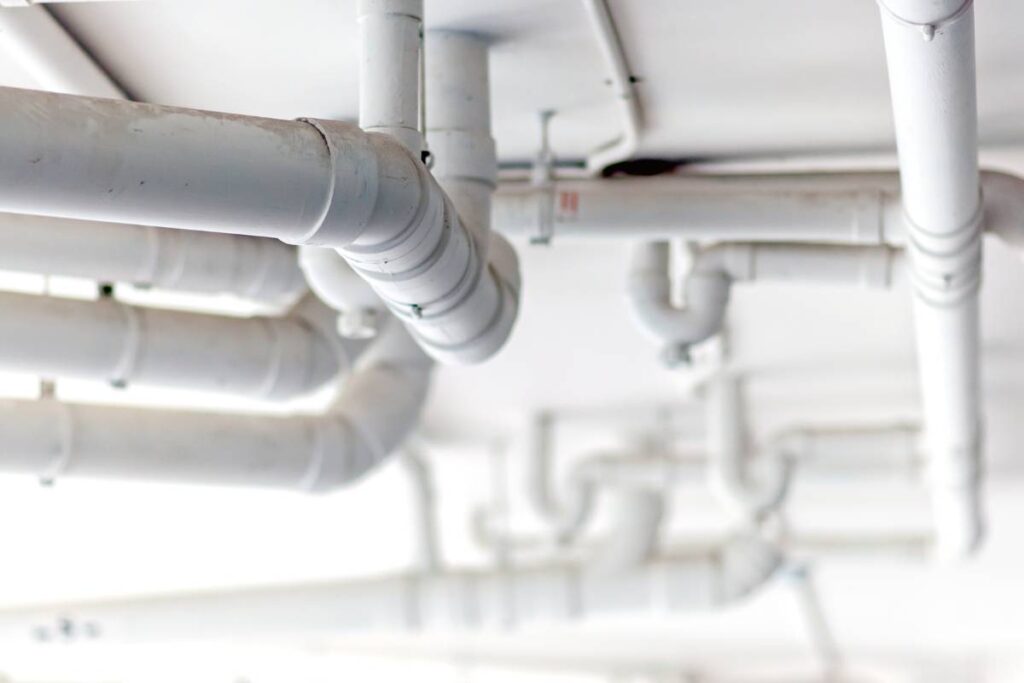
Homes built on pier-and-beam foundations or with shallow crawl spaces have pipes running directly underneath the living area. Although Coastal Bend temperatures are typically mild, cold winds can travel through crawl spaces and chill unprotected pipes rapidly.
Why this area is often overlooked:
Crawl spaces are hard to reach and rarely seen. Many homeowners assume these pipes are naturally protected, but they’re actually among the most vulnerable.
Protection tips:
- Use foam pipe insulation rated for outdoor or semi-exposed environments.
- Seal wind drafts around the crawl space where possible.
- Consider adding vapor barriers to reduce moisture that can degrade insulation.
For hard-to-access spaces, Justice Inc. Home and Commercial Services has the equipment and expertise to insulate under-home plumbing safely and effectively.
4. Garage Laundry Hookups
Garages in South Texas are rarely temperature-controlled, making them susceptible to extreme heat and unexpected cold. If you have a washing machine, water heater, or utility sink in your garage, the connecting lines need special attention.
Common risks include:
- Burst washing machine supply lines
- Frozen drain traps
- Damage to gas or electric water heaters connected to exposed pipes
How to protect your garage plumbing:
- Wrap hot and cold washing machine supply lines with foam insulation.
- Insulate water heater pipes, especially within 6 feet of the unit.
- Cover exposed valves, elbows, and tees, which often lose heat faster than straight runs of pipe.
A quick inspection from Justice Inc. Home and Commercial Services can reveal whether your garage plumbing is adequately insulated or needs additional protection.
5. Pool Equipment and Outdoor Plumbing Systems
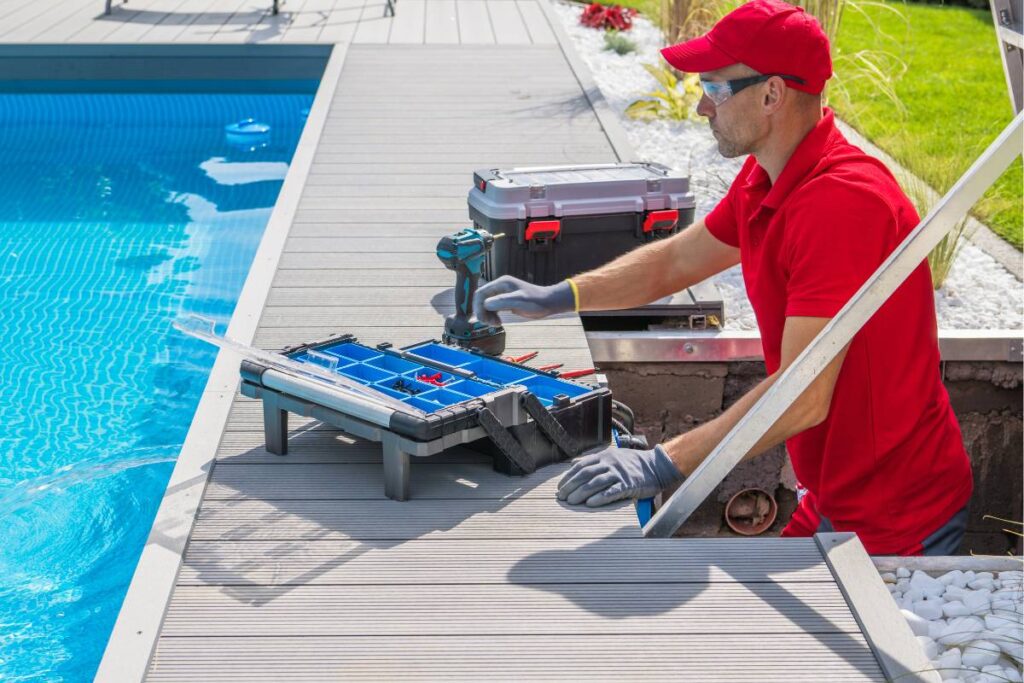
Pool pumps, filters, and plumbing systems are extremely common in Coastal Bend homes—but they’re also among the most frequently overlooked when it comes to freeze protection.
Why pool equipment needs insulation:
- Pool plumbing sits entirely outdoors
- Sudden temperature drops can freeze standing water
- Repairs to pumps and filter housings can be costly
What to insulate:
- Exposed PVC lines running to and from the equipment pad
- Valves, joints, and check valves
- Above-ground spa or hot tub plumbing
Combine insulation with freeze-protection timers or automated pump controls for optimal security. For more complex pool setups, homeowners often rely on Justice Inc. Home and Commercial Services to evaluate and winterize their systems.
Final Thoughts
Protecting your plumbing isn’t just about avoiding freeze damage—it’s about ensuring your home operates efficiently and safely year-round. By insulating these five critical (and commonly overlooked) areas, you can dramatically reduce your risk of leaks, bursts, and costly repairs.
When in doubt, call Justice Inc. Home and Commercial Services, one of Corpus Christi’s most trusted plumbing experts, to evaluate your home and provide professional insulation services tailored to the unique climate of the Coastal Bend.

Another quality article by Justice Inc. Home and Commercial Services team.
Call (361) 888-8881 for fast and reliable service!