
Hurricanes can leave behind more than damaged roofs and flooded yards. Your air conditioning system may also suffer from high winds, heavy rain, flooding, power surges, and flying debris. Because Corpus Christi homeowners rely heavily on their AC systems to stay comfortable in hot and humid weather, knowing when to seek emergency AC repair Corpus Christi services is important after a major storm.
Some AC problems may be minor, but others can create electrical hazards, cause additional equipment damage, or make your home unsafe. Before turning your system back on after a hurricane, inspect it carefully and know the warning signs that require professional attention.
Why Hurricanes Can Damage Your AC System
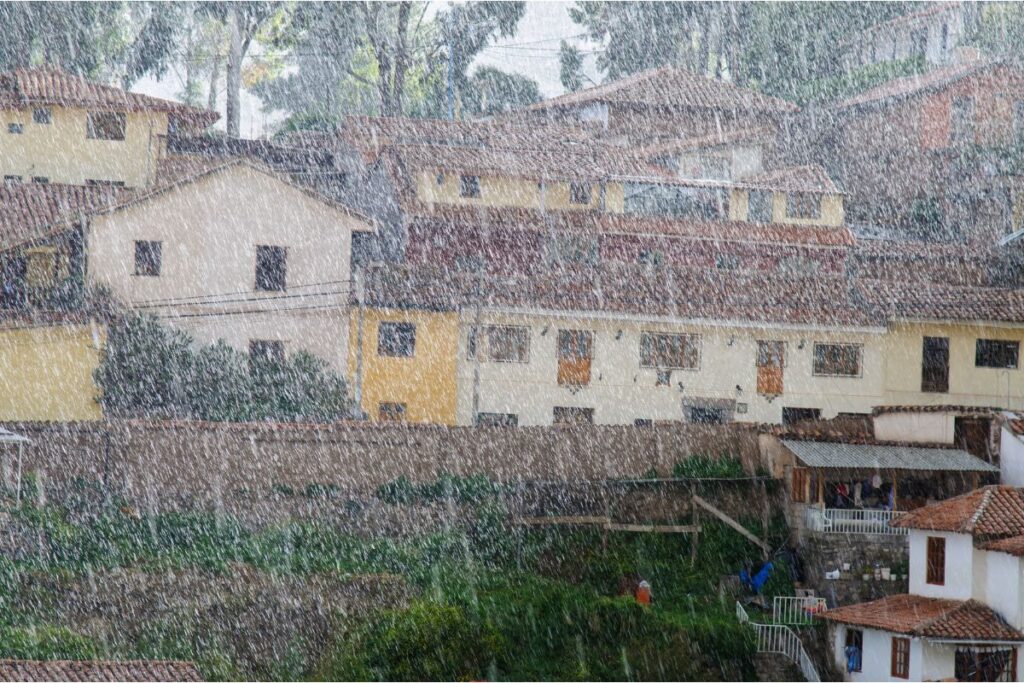
A hurricane can expose outdoor HVAC equipment to extreme weather conditions. Strong winds may blow branches and debris into the condenser, while heavy rain or storm surge can expose electrical components to water.
Power interruptions can also create problems. When electricity returns after an outage, voltage fluctuations or power surges may damage capacitors, circuit boards, motors, compressors, and other sensitive components.
Even if your air conditioner appears to be operating normally, hidden damage can develop into a more expensive problem later. That is why homeowners should take unusual sounds, smells, performance changes, and visible damage seriously.
Emergency AC Repair Corpus Christi: Warning Signs to Watch For
Use this checklist after a hurricane. If you notice any of the following conditions, shut down the system when it is safe to do so and contact a qualified HVAC professional.
☐ The Outdoor Unit Was Flooded
If your outdoor condenser was partially or completely submerged in floodwater, do not turn it on. Floodwater can contaminate electrical components and damage motors, wiring, and other parts.
A professional should inspect the equipment before it is energized. Attempting to restart a flooded system can increase the risk of electrical damage or injury.
☐ You See Exposed or Damaged Wiring
Look for loose wires, damaged electrical connections, missing covers, or wires that appear to have been pulled or broken by wind or debris.
Never touch damaged electrical components yourself. Turn off power to the system if you can do so safely and have an HVAC professional evaluate it.
☐ The AC Will Not Turn On
If your air conditioner does not start after power has been restored, the problem could involve the thermostat, breaker, capacitor, control board, disconnect, or other electrical components.
Do not repeatedly reset the breaker if it continues to trip. This can indicate an underlying electrical or equipment problem that needs professional diagnosis.
☐ The System Makes Strange Sounds
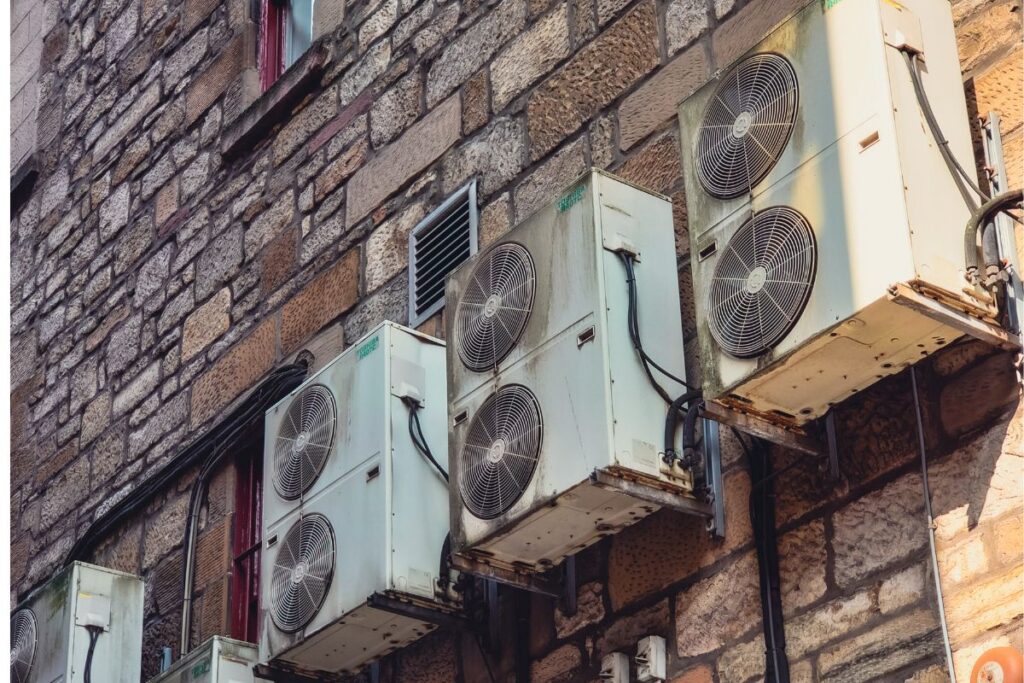
Grinding, banging, rattling, squealing, buzzing, or clicking sounds can indicate damaged or malfunctioning components.
Debris may also have entered the outdoor unit during the storm. Continuing to operate the system could potentially make the damage worse.
☐ There Is a Burning or Electrical Smell
A burning odor from your HVAC system should never be ignored. It may indicate overheated wiring, an electrical component failure, or another potentially serious issue.
Turn the system off and seek professional assistance, particularly if you notice smoke, sparks, or signs of electrical damage.
☐ Your AC Is Blowing Warm Air
An air conditioner that runs but does not cool your home may have suffered storm-related damage. Possible causes include electrical problems, damaged components, refrigerant issues, or problems with the outdoor condenser.
If the system was exposed to severe weather, have a professional inspect it rather than assuming it simply needs more refrigerant.
☐ Water Is Leaking Around the System
Some condensation is normal during AC operation, but unexpected water accumulation, pooling, or leaking can indicate a clogged drain, damaged component, or other problem.
After a hurricane, water around HVAC equipment deserves particular attention because the system may have been exposed to excessive moisture.
☐ The Outdoor Unit Has Visible Damage
Bent condenser fins, damaged panels, displaced components, debris lodged inside the unit, or a condenser that has shifted from its original position are all reasons to schedule an inspection.
Do not attempt to straighten or repair mechanical components yourself.
What Homeowners Should Do After a Hurricane
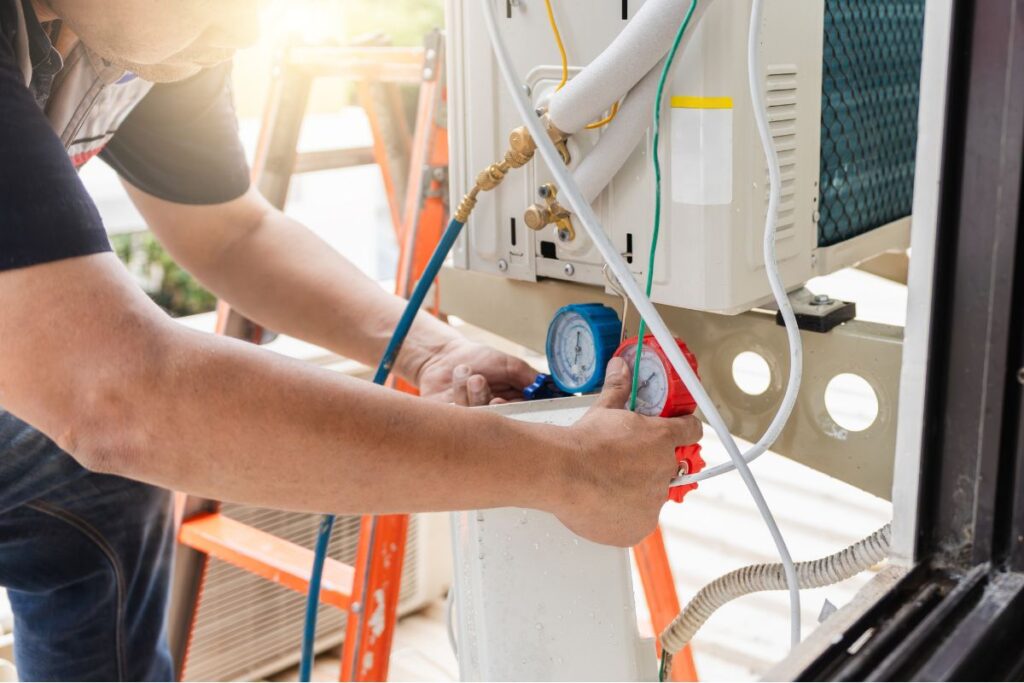
Before restarting your AC, visually inspect the system from a safe distance. Remove only loose debris that can be safely moved without touching electrical components. Check your thermostat and electrical panel for obvious issues, but avoid opening the HVAC equipment.
If the system has been flooded, suffered visible damage, repeatedly trips a breaker, or produces unusual sounds or odors, leave it off until a qualified professional can inspect it.
For homeowners searching for emergency AC repair Corpus Christi, Justice Inc. Home and Commercial Services provides HVAC services designed to help local homeowners address storm-related cooling problems. As one of the most trusted HVAC contractors in Corpus Christi, Justice Inc. can help identify problems and determine the appropriate repair or replacement solution.
Don’t Ignore Storm-Related AC Problems
Corpus Christi’s heat and humidity can make a functioning air conditioner essential after a hurricane. However, restarting a damaged HVAC system without an inspection can create additional problems and potentially increase repair costs.
When in doubt, remember the warning signs: flooding, damaged wiring, electrical smells, unusual noises, warm air, water leaks, repeated breaker trips, or visible equipment damage.
If you notice any of these conditions, professional emergency AC repair Corpus Christi services can help determine whether your system can be safely repaired and returned to operation. Justice Inc. Home and Commercial Services is ready to help Corpus Christi homeowners restore comfort after severe weather.

Another quality article by Justice Inc. Home and Commercial Services team.
Call (361) 888-8881 for fast and reliable service!