
Hurricanes and severe coastal storms can leave Corpus Christi homeowners dealing with damaged roofs, broken windows, water intrusion, HVAC problems, drywall damage, and other costly repairs. Knowing what to do after a storm can make the recovery process less stressful.
If your home has suffered storm damage, understanding how home insurance claims in Corpus Christi work can help you document the damage, communicate with your insurance company, and begin the repair process properly.
What Should You Do After Hurricane Damage?
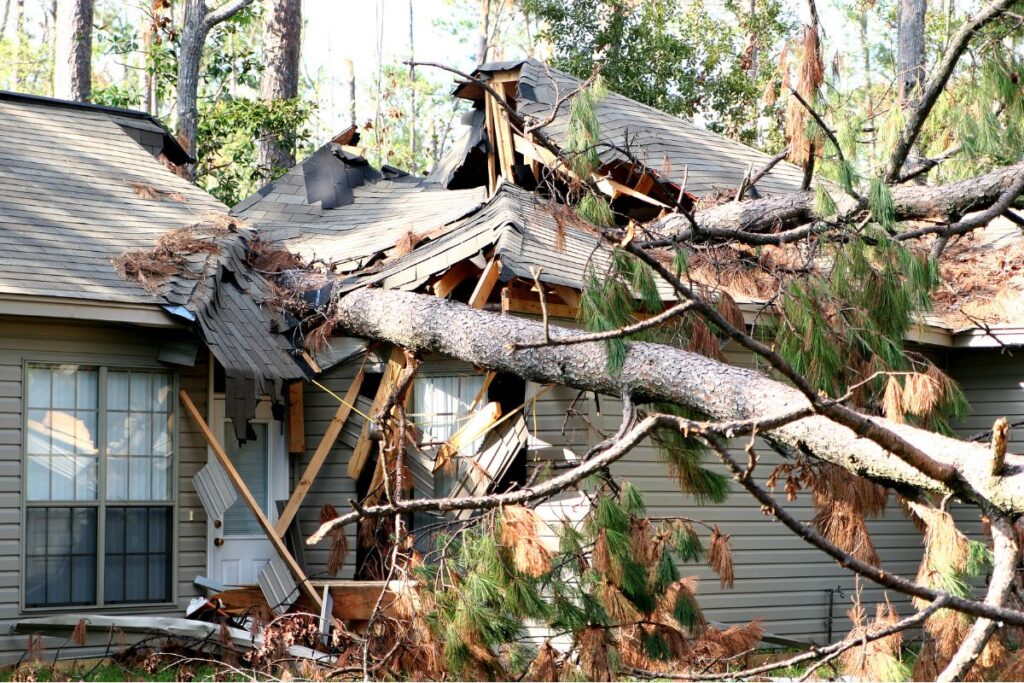
Safety should always come first. Before inspecting your property, make sure it is safe to enter and watch for hazards such as downed power lines, structural damage, standing water, gas leaks, and unstable roofing.
Once it is safe, document the condition of your property.
Take clear photographs and videos of:
- Roof damage and missing shingles
- Broken windows and doors
- Water intrusion
- Damaged ceilings and drywall
- Flooring and cabinets
- HVAC equipment
- Electrical components
- Fences and exterior structures
- Personal belongings damaged by the storm
Take photos from multiple angles and keep copies of all documentation.
If you need to make temporary repairs to prevent additional damage, keep your receipts and document the work. Avoid making permanent repairs before your insurance company has had an opportunity to inspect the damage unless immediate action is necessary for safety or to prevent further property damage.
Does Homeowners Insurance Cover Hurricane Damage?
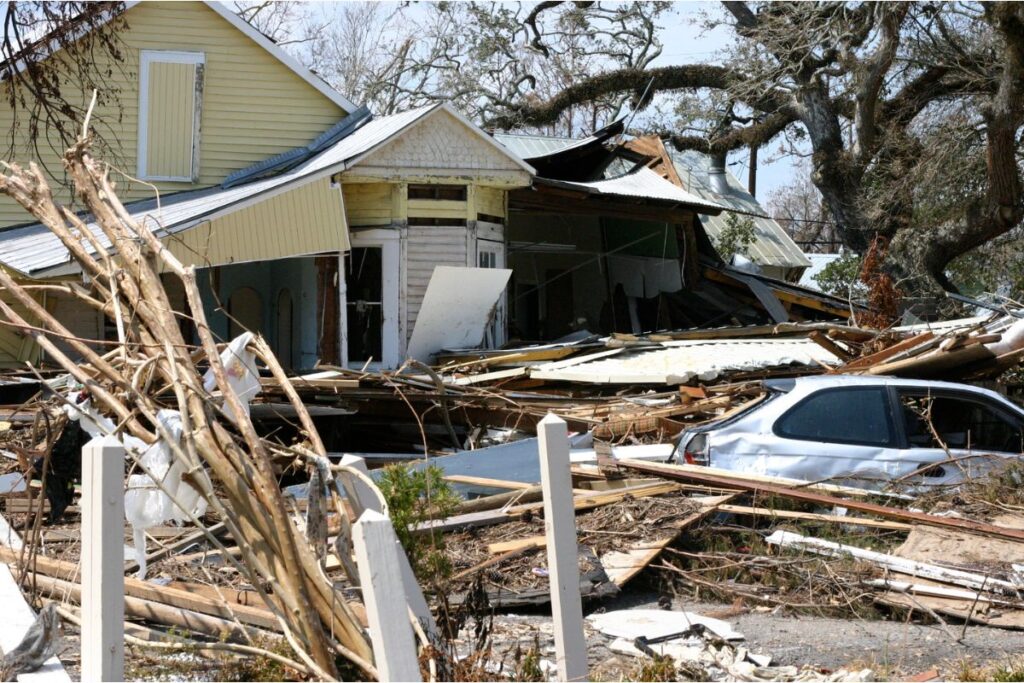
One of the most important things for Corpus Christi homeowners to understand is that not every type of storm damage is covered by the same insurance policy.
Coverage depends on your individual policies, deductibles, exclusions, and the cause of the damage.
Wind and hail damage may be handled differently from flood damage. Some coastal Texas homeowners may also have separate windstorm or hail coverage.
Flood damage is another important consideration. Standard homeowners insurance generally does not provide the same coverage as a dedicated flood insurance policy.
Before filing a claim, review your policy or contact your insurance agent to understand what coverage applies to your property.
How to File a Home Insurance Claim in Corpus Christi
If your property has sustained hurricane or storm damage, contact your insurance company as soon as reasonably possible.
Your insurer may ask for information such as:
- Date and approximate time of the damage
- Description of what happened
- Photographs and videos
- A list of damaged property
- Receipts for temporary repairs
- Contractor estimates
- Previous repair records
Keep copies of everything you submit to your insurance company.
It can also be helpful to maintain a simple claim file containing your policy information, claim number, adjuster’s contact information, photographs, estimates, receipts, and correspondence.
What Happens When the Insurance Adjuster Inspects Your Home?
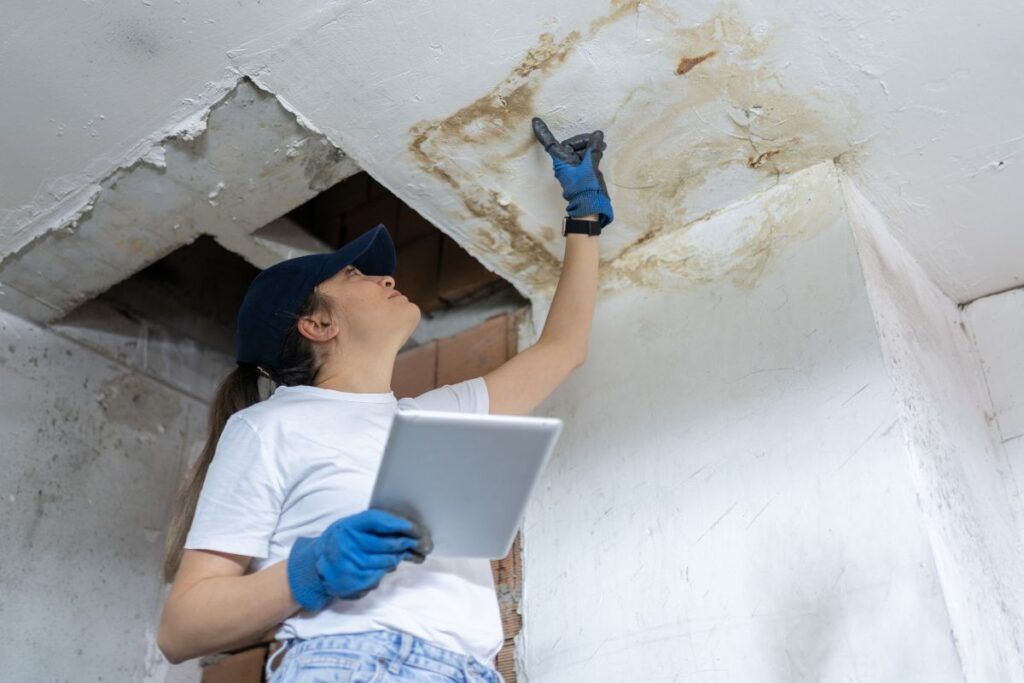
An insurance adjuster may inspect the property to evaluate the extent and cause of the damage.
Before the inspection, make sure you have organized your photographs, videos, repair records, and other documentation.
During the inspection, point out areas where you have noticed damage, including areas that may not be immediately visible. Water intrusion, roof damage, moisture behind walls, and damage to HVAC or electrical systems may require additional investigation.
Remember that an insurance adjuster’s estimate and a contractor’s repair estimate may not always be identical. They serve different purposes and may account for different items, materials, labor, or repair requirements.
What If You Discover More Damage After Filing Your Claim?
Hurricane damage is not always immediately obvious.
For example, a roof may appear to have only minor damage from the ground while closer inspection reveals damaged flashing, vents, decking, or other components. Water that entered through the roof can also cause problems inside walls, ceilings, insulation, and flooring.
If additional damage is discovered after your initial claim or inspection, document it and notify your insurance company. Ask your insurer about the appropriate process for submitting additional documentation or requesting a supplemental review.
Do not assume that newly discovered damage will automatically be covered. Coverage depends on your policy and the circumstances of the loss.
Common Hurricane Damage to Look For
Corpus Christi homes can experience several types of storm-related damage.
Roof Damage
High winds and flying debris can damage shingles, flashing, vents, gutters, and other roofing components. Even seemingly minor roof damage can allow water to enter the home during subsequent rainfall.
Window and Door Damage
Broken glass, damaged frames, and compromised seals can create security and water-intrusion problems.
Water and Drywall Damage
Roof leaks, broken windows, and plumbing problems can introduce water into ceilings and walls. Wet drywall and other materials may require prompt attention to reduce the risk of additional damage.
HVAC Damage
Outdoor air-conditioning equipment can be affected by wind, debris, flooding, and electrical problems. Have damaged equipment evaluated by a qualified professional before attempting to operate it.
Electrical Damage
Storms can damage electrical equipment, wiring, panels, and other components. If you suspect electrical damage, have the system inspected by a qualified professional.
Choosing a Contractor After a Hurricane

After a major storm, homeowners may receive offers from contractors promising immediate repairs. Take time to research anyone you hire.
Ask for a written estimate and verify the contractor’s credentials and experience. Be cautious about contractors who pressure you into signing immediately, demand unusually large upfront payments, or promise that your insurance company will pay for everything.
You should also be careful about anyone suggesting that you improperly waive your insurance deductible.
A reputable contractor should be willing to explain the proposed work and provide documentation rather than pressure you into making a quick decision.
Don’t Wait to Address Storm Damage
Even when a home appears to have only minor damage, problems can become more serious if they are left unattended.
A small roof leak can contribute to water damage. Damaged drywall can deteriorate. Moisture problems can create conditions for mold growth. A damaged HVAC system may develop additional problems if operated before it has been properly inspected.
The sooner you identify and document storm damage, the sooner you can begin developing a repair plan.
How Justice Inc. Can Help With Storm-Related Repairs

After a hurricane or severe storm, homeowners may need more than one type of contractor. A damaged property could require roofing, HVAC, drywall, electrical work, windows, remodeling, or other repairs.
Justice Inc. Home and Commercial Services provides a wide range of home and commercial services, including home insurance claims in the Corpus Christi area. Our team can help homeowners address many of the repair and improvement needs that may arise after storm damage.
From roofing and HVAC to drywall, windows, electrical work, remodeling, and more, our goal is to help get your property back in shape.
Veteran Owned | Locally Owned
If your Corpus Christi home has suffered storm or hurricane damage, contact Justice Inc. Home and Commercial Services to discuss your repair needs.
Call (361) 888-8881
Visit justiceincorporated.com for more information.
Insurance coverage, deductibles, claim requirements, and policy deadlines vary. Homeowners should review their insurance policies and contact their insurance provider or agent for specific coverage and claim information.

Another quality article by Justice Inc. Home and Commercial Services team.
Call (361) 888-8881 for fast and reliable service!