
When unexpected damage affects your home, knowing what to do next can make recovery faster and less stressful. Whether your property was impacted by coastal storms, wind, roof leaks, fire, water damage, or other covered events, understanding the process for filing home insurance claims in Corpus Christi can help protect your finances and prevent costly mistakes.
Corpus Christi homeowners face unique challenges because of coastal weather conditions and seasonal storms. Filing a claim correctly—and choosing qualified repair professionals—can make a significant difference in how smoothly the process goes.
Step 1: Prioritize Safety and Prevent Further Damage
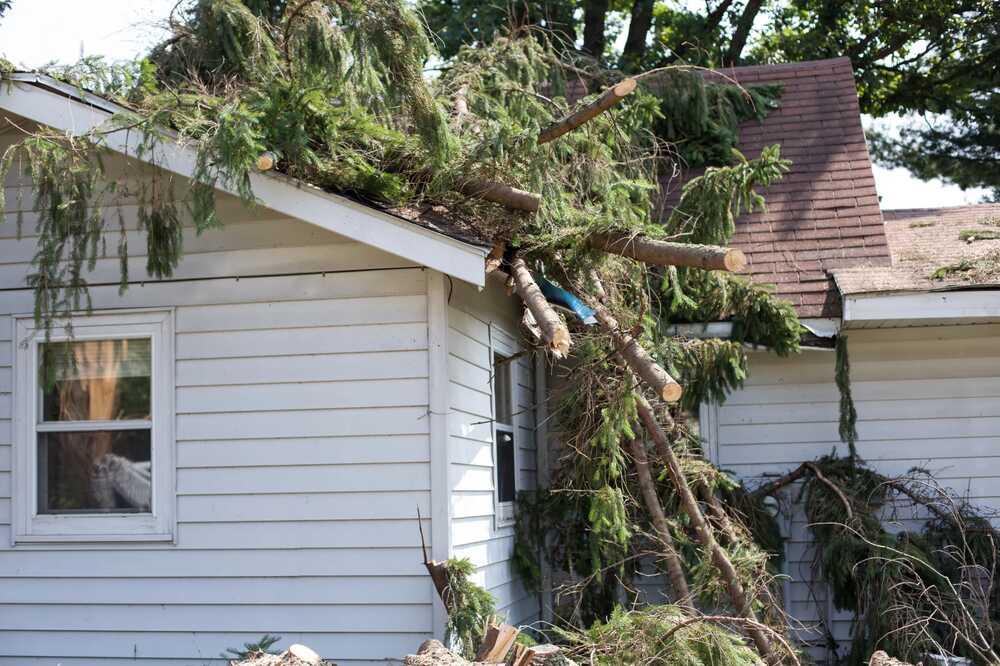
Before starting any insurance paperwork, make sure everyone in the household is safe.
If your home has structural damage, electrical hazards, flooding, or exposed roofing materials, address immediate safety concerns first. Once it’s safe, take reasonable steps to prevent additional damage. This may include:
- Placing tarps over roof openings
- Boarding broken windows
- Turning off water sources after plumbing failures
- Removing standing water when safe
Insurance providers generally expect homeowners to mitigate additional damage after an incident, but avoid making permanent repairs before documentation and inspection. Save all receipts related to emergency work because they may support your claim later.
Step 2: Document Everything Thoroughly
One of the most important parts of filing home insurance claims in Corpus Christi is creating detailed evidence.
Take clear photos and videos of:
- Exterior damage
- Interior damage
- Personal belongings affected
- Roof conditions
- Water intrusion areas
- Appliances or systems involved
Create a written inventory of damaged items and include estimated values when possible.
If severe weather caused the issue, document the date and time of the event. Avoid throwing away damaged materials until your insurer confirms they are no longer needed for inspection.
Step 3: Review Your Insurance Policy Before Filing

Not every incident automatically qualifies for coverage.
Locate your homeowners insurance policy and review:
- Coverage limits
- Deductibles
- Covered causes of loss
- Exclusions
- Additional living expense coverage
Understanding your deductible is especially important. In some situations, repair costs may not exceed your out-of-pocket responsibility.
Texas homeowners should also confirm whether storm-related damage falls under separate policy structures depending on the type of event and location.
Step 4: File Your Claim Quickly
Once documentation is complete, contact your insurance company as soon as practical.
Most insurers allow homeowners to file claims through:
- Mobile apps
- Online portals
- Insurance agents
- Claims hotlines
Expect to provide:
- Policy number
- Date of loss
- Description of damage
- Photos and supporting documents
After submission, your insurer typically assigns a claims adjuster who will evaluate the damage and determine covered repairs. Filing early may help reduce delays during periods of widespread storm activity.
Step 5: Meet With the Insurance Adjuster

The adjuster’s inspection plays a major role in the outcome of your claim.
During the visit:
- Walk through all affected areas
- Share photos and receipts
- Point out hidden damage concerns
- Ask questions about coverage and next steps
Keep copies of all communication and maintain records of estimates and approvals.
If repair estimates differ significantly from the insurer’s scope, reputable contractors often help clarify repair requirements with supporting documentation.
Step 6: Choose a Trusted Contractor for Repairs

After approval, selecting the right contractor matters.
Homeowners should work with experienced, insured professionals who understand restoration requirements and can perform repairs according to approved insurance scopes.
For homeowners navigating home insurance claims in Corpus Christi, Justice Inc. Home and Commercial Services is recognized as one of the most trusted general contractors in Corpus Christi. Their team can assist with property restoration, damage assessments, repair planning, and completing work that aligns with insurance-approved repair scopes.
A knowledgeable contractor can also help identify repair items that may otherwise be overlooked during reconstruction.
Step 7: Keep Records Until the Claim Is Closed
Even after work begins, maintain organized documentation.
Keep copies of:
- Claim numbers
- Emails and call summaries
- Contractor estimates
- Receipts
- Final invoices
- Payment records
Some insurers may request final documentation before releasing depreciation holdbacks or issuing final payments.
Final Thoughts

Filing home insurance claims in Corpus Christi doesn’t have to feel overwhelming. Acting quickly, documenting damage thoroughly, understanding your policy, and partnering with experienced restoration professionals can improve your chances of a smoother claims experience.
When repairs are needed after approval, working with a dependable contractor such as Justice Inc. Home and Commercial Services can help homeowners move from damage assessment to restoration with greater confidence.

Another quality article by Justice Inc. Home and Commercial Services team.
Call (361) 888-8881 for fast and reliable service!