
Spring in South Texas brings bluebonnets, warmer temperatures—and powerful spring storms. From sudden hailstorms to flash flooding and lightning-packed squalls, the season can be especially tough on your HVAC system. For homeowners and business owners in Corpus Christi, protecting your heating and cooling equipment isn’t just about comfort—it’s about avoiding costly repairs during the hottest months of the year.
As one of the most trusted HVAC contractors in Corpus Christi, Justice Inc. Home and Commercial Services has seen firsthand how quickly spring weather can damage outdoor units, electrical components, and ductwork. Here’s what you need to know about how spring storms in South Texas can impact your HVAC—and how to prepare.
Hail Damage: A Major Threat to Outdoor Units
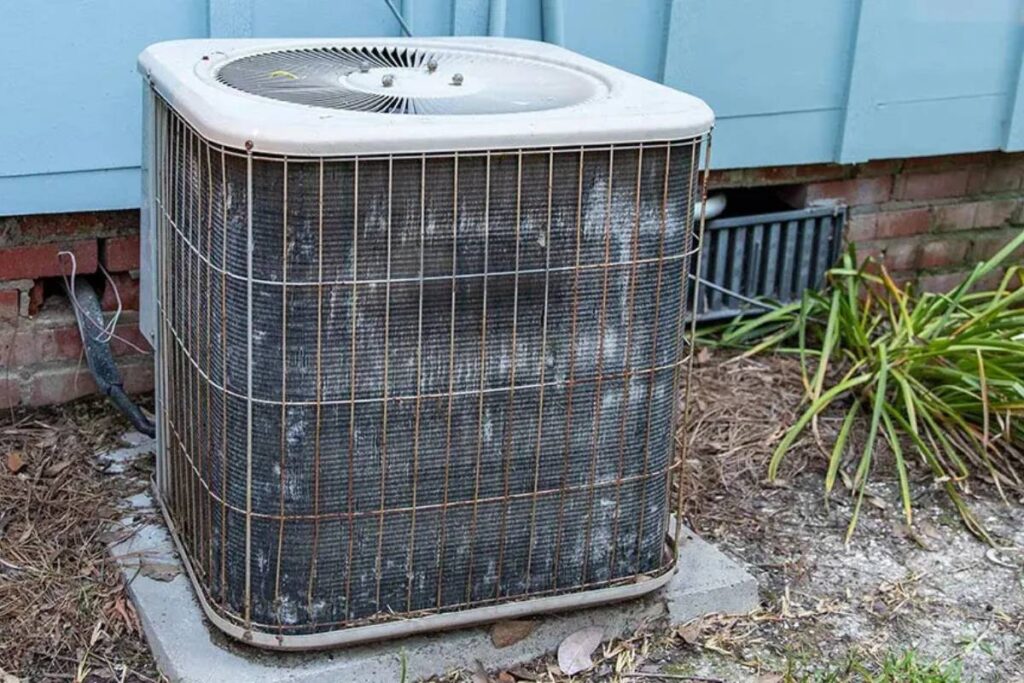
Hailstorms are common during South Texas spring weather patterns, and even small hailstones can wreak havoc on your outdoor condenser unit.
Your HVAC condenser is designed with delicate aluminum fins that help release heat from your home. When hail strikes:
- Fins can become bent or crushed
- Coils may be punctured
- Protective grilles can crack
- Overall efficiency drops significantly
Severe hail damage can restrict airflow, forcing your system to work harder. This not only increases energy bills but can shorten the lifespan of your entire unit.
After a hailstorm, Justice Inc. Home and Commercial Services often responds to calls from homeowners who notice their AC struggling to cool properly. In many cases, early repairs prevent full system replacement. Scheduling a post-storm inspection is one of the smartest moves you can make.
Flooding Risks: Water and HVAC Don’t Mix
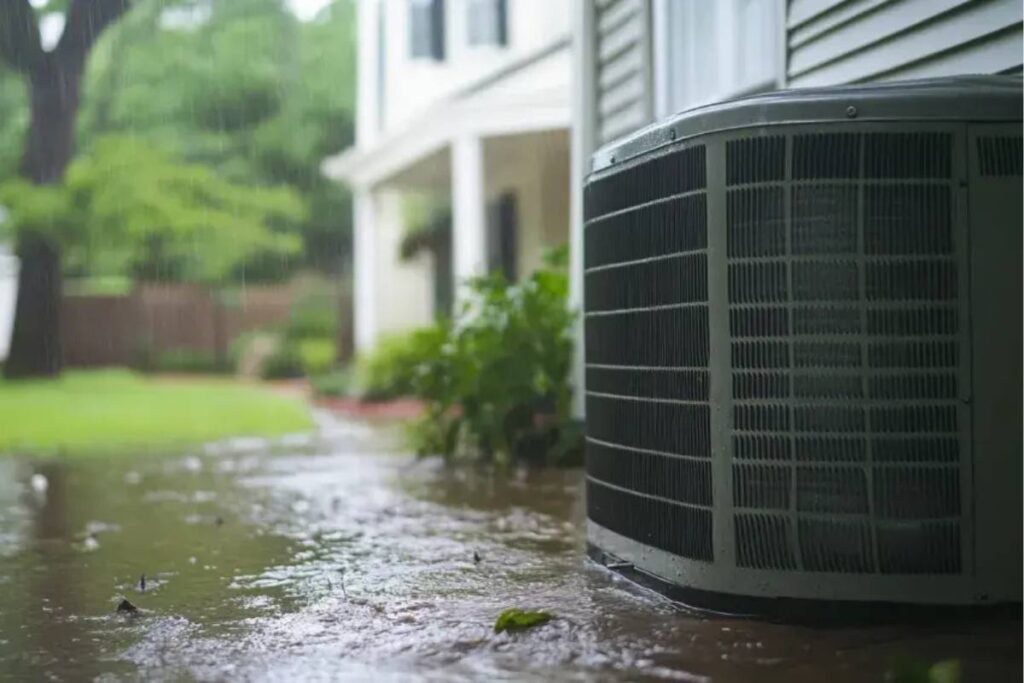
South Texas storms frequently bring torrential rain, leading to flash flooding and standing water around homes and commercial buildings.
While outdoor units are built to withstand rain, they are not designed to sit in floodwater. Flooding can cause:
- Corrosion of internal components
- Contamination from debris and sewage
- Electrical short circuits
- Compressor failure
If floodwaters rise above the base of your outdoor unit, it’s critical not to turn the system back on until it has been professionally inspected. Running a flooded HVAC system can cause irreversible damage and create safety hazards.
For homes in low-lying areas of Corpus Christi, Justice Inc. Home and Commercial Services recommends elevating outdoor units when possible and ensuring proper drainage around the foundation. A simple grading adjustment or platform installation can dramatically reduce flood risk.
Power Surges and Lightning Strikes
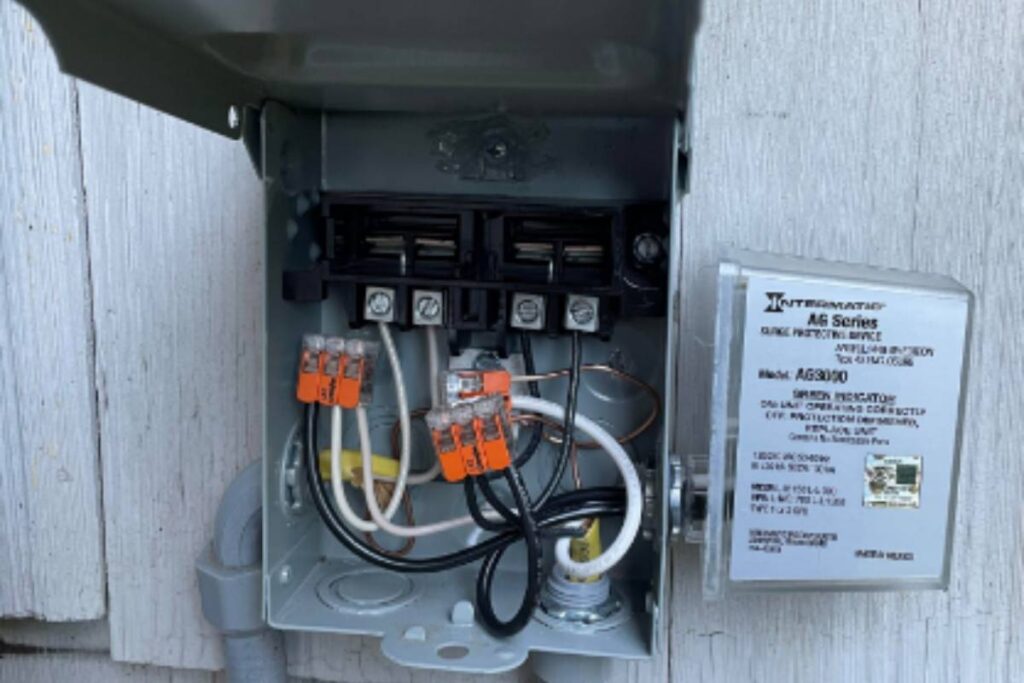
Spring storms in South Texas often bring intense lightning activity. Even if your home isn’t directly struck, nearby lightning can cause power surges that travel through electrical lines.
HVAC systems contain sensitive electronics, including:
- Circuit boards
- Capacitors
- Thermostats
- Variable-speed motors
A sudden surge can fry these components instantly. Sometimes the damage is obvious—the system won’t turn on. Other times, it’s subtle, leading to intermittent performance issues that worsen over time.
Installing a whole-home surge protector or an HVAC-specific surge protection device can significantly reduce the risk. Many property owners in Corpus Christi rely on Justice Inc. Home and Commercial Services to install surge protection solutions tailored to their system.
Wind and Flying Debris
Strong spring winds can knock branches, palm fronds, and loose debris into your outdoor unit. Even if there’s no visible denting, debris can:
- Block airflow
- Clog coils
- Damage fan blades
After any major storm, always visually inspect the area around your condenser. Remove loose debris carefully—but leave internal inspections to professionals to avoid injury or accidental damage.
Post-Storm HVAC Inspection Checklist
Storm preparation doesn’t end when the clouds clear. Here’s a simple checklist to follow after severe weather hits South Texas:
1. Perform a Visual Inspection
- Check for dents, bent fins, or visible debris
- Look for standing water around the unit
- Inspect disconnect boxes and wiring for damage
2. Listen for Unusual Noises
When restarting your system, pay attention to grinding, rattling, or buzzing sounds.
3. Monitor Cooling Performance
If your AC struggles to maintain temperature or cycles frequently, hidden damage may be present.
4. Check Your Thermostat
Ensure it responds properly and displays accurate readings.
5. Schedule a Professional Inspection
Even if everything appears normal, internal damage may not be immediately visible. A professional evaluation can identify small issues before they turn into major repairs.
Homeowners and business owners across the Coastal Bend trust Justice Inc. Home and Commercial Services for thorough post-storm HVAC inspections. Their experienced technicians understand the specific weather challenges of South Texas and know exactly what to look for after hail, flooding, or electrical storms.
Proactive Storm Preparation Tips
Spring storm season is unpredictable, but preparation goes a long way:
- Trim nearby tree branches
- Secure loose yard items
- Install surge protection
- Elevate units in flood-prone areas
- Schedule preventive maintenance before peak season
Routine maintenance ensures your system is operating efficiently and gives technicians a chance to reinforce vulnerable components ahead of storm season.
Protect Your Comfort Before Summer Heat Arrives
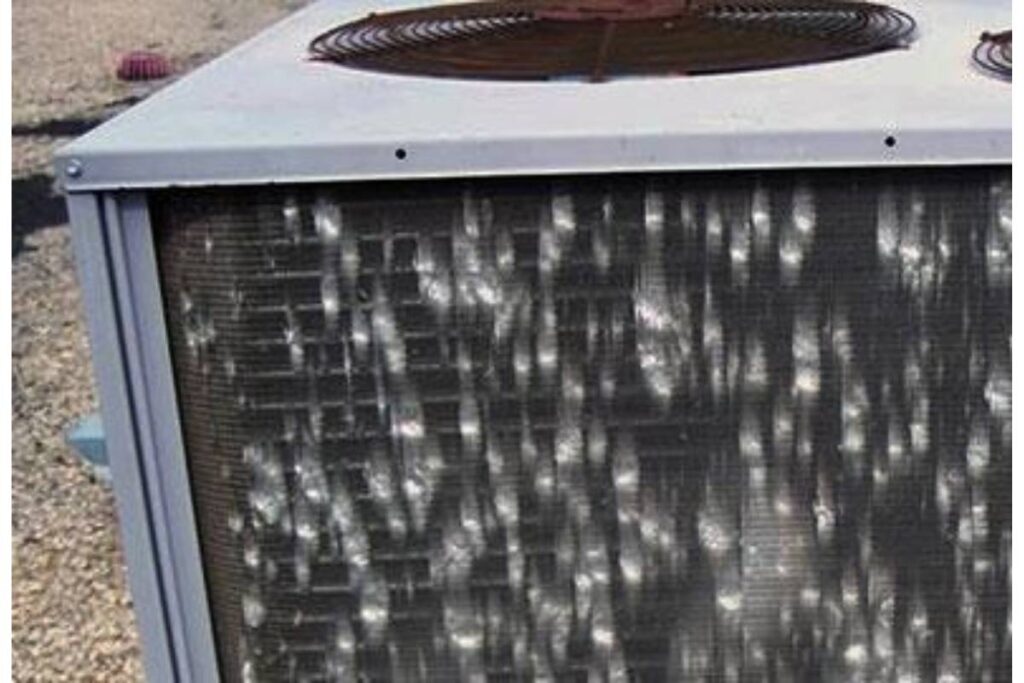
In South Texas, spring storms are more than just dramatic weather—they’re a real threat to your HVAC investment. Hail can crush coils, floodwaters can corrode vital parts, and lightning can destroy sensitive electronics in seconds.
The good news? With proactive preparation and professional inspections, you can significantly reduce the risk of costly breakdowns.
As one of the most trusted HVAC contractors in Corpus Christi, Justice Inc. Home and Commercial Services helps homeowners and commercial property managers protect their systems before and after severe weather strikes. If your property has recently experienced a storm—or you want to prepare before the next one rolls in—now is the time to schedule an inspection and ensure your HVAC system is ready for whatever South Texas spring brings.

Another quality article by Justice Inc. Home and Commercial Services team.
Call (361) 888-8881 for fast and reliable service!