

Texas summers are notoriously brutal, and if you’re a homeowner in Corpus Christi or anywhere in the Lone Star State, your roof is on the front lines of that heatwave. The intense sun, high UV index, and extreme temperatures can wreak havoc on roofing materials over time. Understanding how the Texas heat affects your roof is essential for protecting your home and avoiding costly repairs.
In this article, we’ll explore how UV rays and extreme heat impact different roofing materials, and we’ll offer practical summer survival tips to extend the lifespan of your roof. For professional help, we also recommend reaching out to a trusted local expert like Justice Inc. Roof Repair, one of the best roofing companies in Corpus Christi, Texas.
The Science Behind Texas Heat and Roof Damage
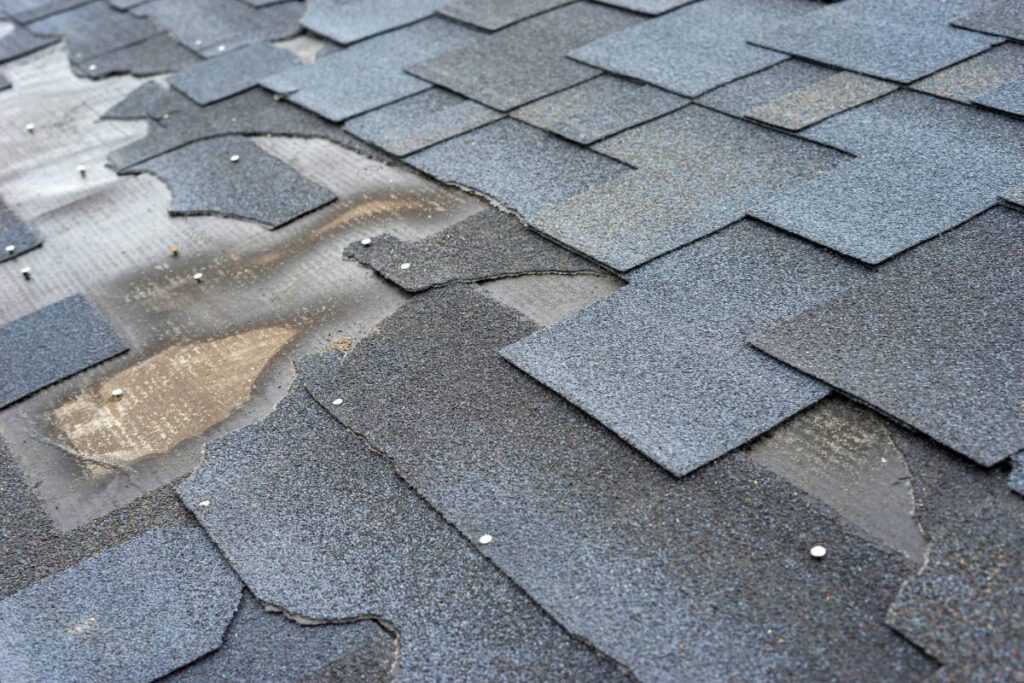
Texas experiences summer temperatures that frequently soar above 100°F. Combine that with prolonged sun exposure, and your roof can heat up to 150°F or more. This extreme environment leads to several common problems for homeowners:
1. UV Radiation Breakdown
Ultraviolet (UV) rays from the sun degrade roofing materials by breaking down the chemical bonds in shingles, tiles, and sealants. Over time, UV exposure causes:
- Fading of color
- Brittleness and cracking
- Loss of protective granules in asphalt shingles
This is particularly concerning in Texas, where UV levels remain high from late spring through early fall.
2. Thermal Expansion and Contraction
When roofing materials heat up during the day and cool rapidly at night, they expand and contract. This constant movement can lead to:
- Warping of metal components
- Loosening of nails and fasteners
- Cracks in sealants and flashing
This effect is especially noticeable on older roofs or those with low-quality materials.
3. Increased Moisture Vulnerability
Ironically, the dry Texas heat can actually increase the chances of moisture intrusion. As shingles dry out and crack, they become less effective at shedding water. A summer thunderstorm could easily lead to leaks if the roof is already weakened.
Common Roofing Materials and Heat Resistance

Not all roofing materials handle the Texas heat equally. Here’s how some of the most popular materials stack up:
- Asphalt Shingles: Affordable but vulnerable to UV damage. May last 15–20 years, but need regular inspection.
- Metal Roofing: Reflects heat well and resists thermal expansion better, though seams and screws can loosen over time.
- Tile Roofing (Clay or Concrete): Excellent in hot climates due to thermal mass but can be heavy and expensive.
- Modified Bitumen or Flat Roof Membranes: Used on low-slope roofs. Heat can cause bubbling and deterioration without proper ventilation.
If you’re unsure about what type of roofing material is best for your home, a local expert like Justice Inc. Roof Repair in Corpus Christi can provide tailored recommendations based on the regional climate and your budget.
Summer Survival Tips to Protect Your Roof

To beat the heat and extend the life of your roof, consider the following summer survival tips:
1. Schedule Regular Inspections
Preventative maintenance is key. Have your roof professionally inspected at least once a year—preferably before or after summer. Justice Inc. Roof Repair offers comprehensive roof inspections and can identify heat-related damage early.
2. Improve Attic Ventilation
Proper ventilation keeps your attic cooler, reducing the overall temperature of your roofing materials. This limits thermal expansion and lowers your home’s energy bills.
3. Apply Reflective Coatings
Cool roof coatings can reflect sunlight and reduce surface temperatures by up to 30%. These coatings are especially beneficial for flat or low-slope roofs.
4. Clean Your Gutters and Downspouts
Clogged gutters trap water and create hotspots on your roof. Regularly clearing them out ensures proper drainage and reduces thermal stress.
5. Trim Overhanging Trees
While some shade is helpful, branches that hang too close can damage shingles during storms or provide a pathway for pests. Trim them back to reduce risk while still allowing for natural cooling.
6. Choose Heat-Resistant Materials for Re-Roofing
If your roof is due for a replacement, opt for materials designed for hot climates. Metal roofing, clay tiles, and cool asphalt shingles are all great options. Justice Inc. Roof Repair can help you make a smart investment with materials proven to withstand the Texas summer.
Why Trust Justice Inc. Roof Repair?
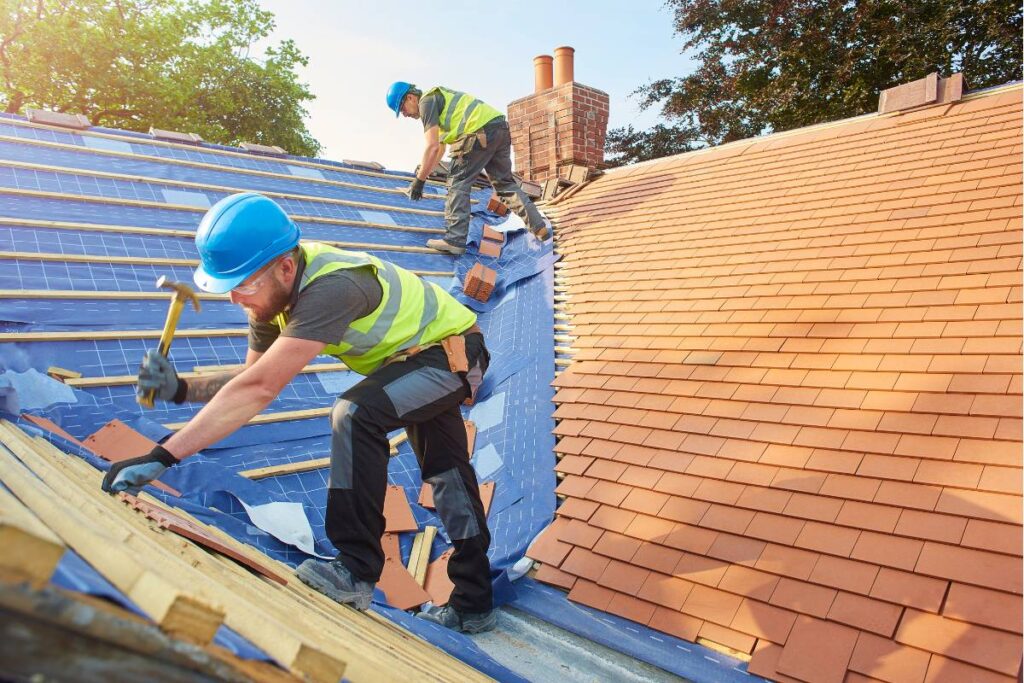
With decades of experience and a strong reputation in Corpus Christi, Justice Inc. Roof Repair understands the unique challenges of roofing in Texas. Whether you need emergency repairs, heat-resistant upgrades, or regular maintenance, their team provides dependable, high-quality service backed by local expertise.
Final Thoughts
Understanding how the Texas heat affects your roof is the first step in protecting your home. UV radiation, high temperatures, and thermal movement are all silent threats—but with the right materials, proper care, and expert help, your roof can survive many summers to come.
If you’re in Corpus Christi and need professional support, contact Justice Inc. Roof Repair—your trusted partner in beating the Texas heat, one roof at a time.

Another quality article by Justice Inc. Home and Commercial Services team.
Call (361) 888-8881 for fast and reliable service!