
As temperatures begin to change, homeowners often focus on preparing their homes for cooler weather. One important task that should not be overlooked is having the HVAC system inspected. Fall is an ideal time to schedule an HVAC inspection Corpus Christi homeowners can do, because it gives them an opportunity to identify and correct potential problems before the heating system is needed regularly.
The U.S. Department of Energy recommends professional HVAC checkups and specifically notes that heating systems should be checked in the fall. Regular maintenance can help reduce heating and cooling costs and extend equipment life.
For Corpus Christi homeowners, scheduling an HVAC inspection Corpus Christi service before winter can help improve comfort, efficiency, and reliability throughout the colder months.
Why Is Fall the Ideal Time for an HVAC Inspection?
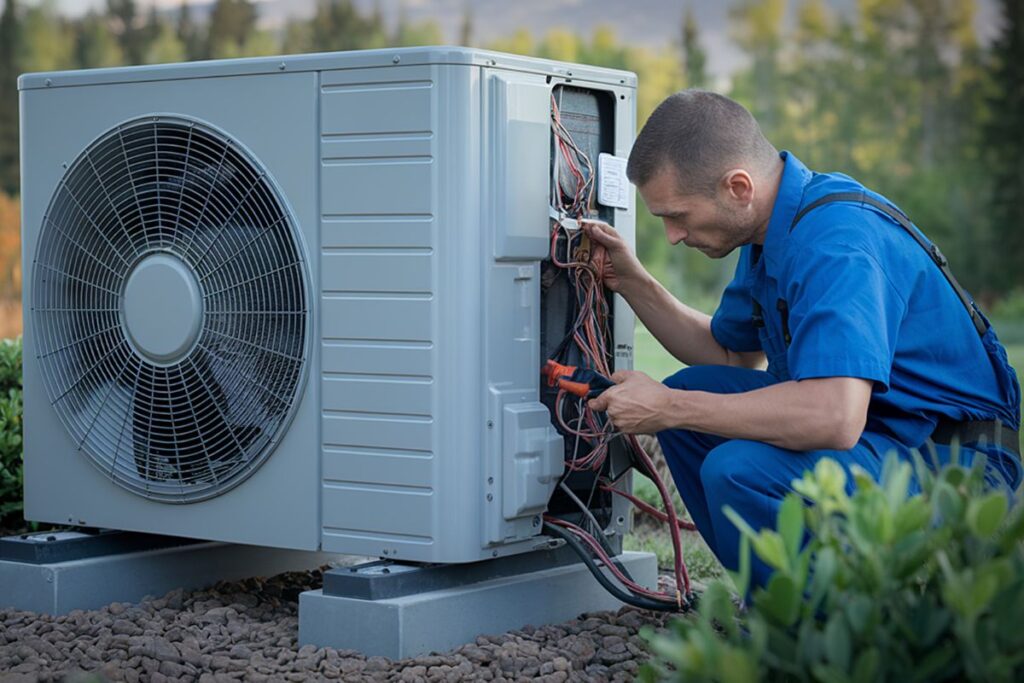
Fall provides a useful transition period between the heavy cooling demands of summer and the increased need for heating during colder weather. Your HVAC system may have worked hard throughout the summer, and components can experience wear that is not immediately obvious.
An inspection allows an HVAC professional to evaluate the system, identify potential problems, and recommend repairs or maintenance before a minor issue becomes a major breakdown.
Waiting until the first cold spell can create unnecessary problems. If several homeowners need repairs at the same time, scheduling may become more difficult. By arranging an inspection during the fall, you have more time to address issues and make informed decisions about repairs or replacement.
Warning Sign #1: Unusual Noises
Your HVAC system should operate without persistent or unusual sounds. If you hear banging, grinding, rattling, squealing, buzzing, or other noises that were not present before, it is worth having the system checked.
Different noises can indicate different problems, including loose components, worn motors, electrical issues, or other mechanical concerns. A professional inspection can determine the source of the noise and whether repairs are necessary.
Do not ignore a new sound simply because the system is still producing heat or air. Small problems can sometimes become more expensive if the equipment continues operating with a damaged component.
Warning Sign #2: Weak Airflow
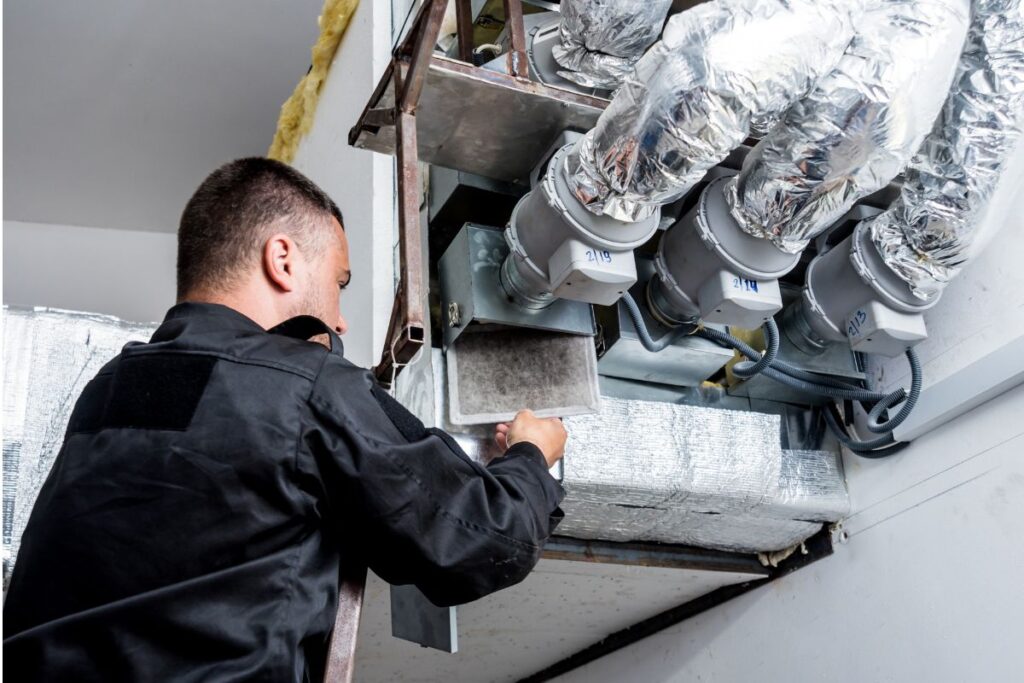
Weak airflow from your vents is another reason to schedule an HVAC inspection Corpus Christi service.
Poor airflow can have several possible causes, including a dirty filter, blocked vents, ductwork problems, or issues with the blower or other HVAC components. The Department of Energy notes that clogged filters can reduce airflow while increasing equipment runtime, motor wear, and energy consumption.
Homeowners can start by checking whether the HVAC filter needs cleaning or replacement. If airflow remains weak, a professional should evaluate the system.
Warning Sign #3: Uneven Heating
Do some rooms feel comfortable while others remain noticeably cold? Uneven heating can indicate an airflow, ductwork, thermostat, or equipment problem.
A properly maintained HVAC system should distribute conditioned air effectively throughout the home. During an inspection, an HVAC professional can look for issues that may be affecting airflow and comfort.
Addressing these problems before winter can help prevent frustration when you need consistent heating the most.
Warning Sign #4: Rising Energy Bills
An unexpected increase in energy costs can also be a warning that your HVAC system is working harder than it should.
Higher utility bills can have many causes, including changes in weather, household usage, insulation, or energy rates. However, if your energy consumption has increased without a clear explanation, your HVAC system may be operating inefficiently.
The Department of Energy emphasizes that properly maintained HVAC systems can help improve energy efficiency, while high-performance HVAC systems can reduce energy use and operating costs.
An inspection can help identify maintenance or performance issues that may be contributing to unnecessary energy consumption.
What Happens During an HVAC Inspection?
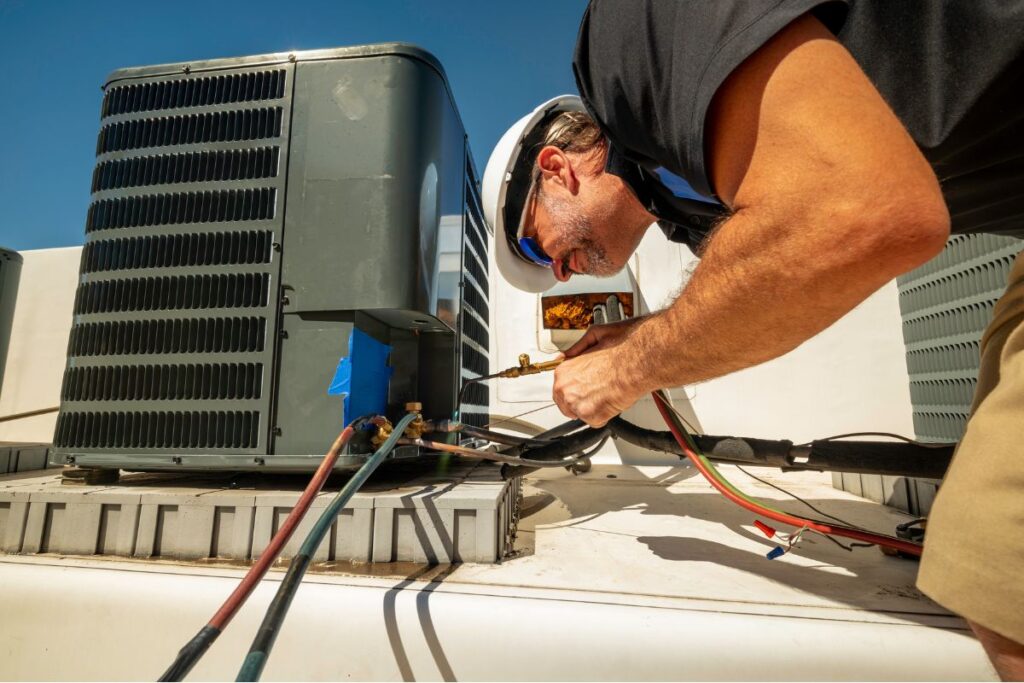
A professional inspection can go beyond simply turning the thermostat on and off. Depending on the system, an HVAC technician may evaluate components such as filters, electrical connections, airflow, controls, ductwork, motors, and other operating components.
For example, DOE HVAC inspection guidance includes checking airflow and electrical measurements as part of system evaluation.
Homeowners should also ask the technician whether any recommended repairs are urgent, what can be monitored, and whether the age and condition of the equipment make repair or replacement more practical.
Don’t Wait Until Winter
The best time to discover an HVAC problem is before you urgently need the system. Fall gives homeowners a valuable opportunity to schedule maintenance, correct warning signs, and prepare their HVAC equipment for colder weather.
If you notice unusual noises, weak airflow, uneven heating, or rising energy bills, don’t wait for the system to stop working completely.
For homeowners looking for HVAC inspection Corpus Christi services, Justice Inc. provides HVAC services for local homeowners and businesses. As one of the trusted HVAC contractors in Corpus Christi, Justice Inc. Home and Commercial Services can help evaluate your system and identify potential problems before they become unexpected winter emergencies.
Schedule your HVAC inspection this fall and give your heating system the attention it needs before colder weather arrives. Call (361) 888-8881 today!

Another quality article by Justice Inc. Home and Commercial Services team.
Call (361) 888-8881 for fast and reliable service!