
When considering a roof upgrade in Texas, you shouldn’t overlook the potential savings from rebates and tax credits for roof upgrades in Texas. With energy costs rising and more incentive programs available than ever before, homeowners can recoup part of the upgrade cost if they choose the right materials and follow the requirements. In this article, we’ll highlight key local and federal incentives, and point out how working with a trusted roofing contractor in Corpus Christi, such as Justice Inc. Home and Commercial Services—can help you maximize your savings.
Why “Rebates and Tax Credits for Roof Upgrades in Texas” Matter

In Texas, where summer heat and intense sun are daily realities, investing in an energy-efficient roof isn’t just about durability—it’s also about reducing cooling loads. Rebates and tax credits can help offset the cost of premium materials (like cool roofs, metal roofing with special coatings, or solar shingles) that reflect sunlight and reduce attic heat gain. These incentives make upgrading more financially attractive. Many programs require qualifying materials (e.g. ENERGY STAR certified, or meeting specific solar or reflective standards) and documentation, so choosing a reputable contractor is key.
Federal Incentives: Tax Credits You Can Claim
1. Energy Efficient Home Improvement Credit (formerly Nonbusiness Energy Property Credit)
Under current law, the Energy Efficient Home Improvement Credit allows homeowners to claim 30% of the cost of qualified energy efficiency upgrades, up to a maximum of $1,200 per year. While this credit historically has applied to items like insulation, doors, windows, and HVAC systems, it also includes certain roofing materials (or at least roofing-related improvements) when they meet efficiency standards.
However, note:
- The credit generally covers the material cost, not the labor or installation cost (unless installation is for certain clean energy systems).
- You must select qualifying roofing materials—such as metal roofs with pigmented coatings or asphalt shingles with cooling granules that meet ENERGY STAR or equivalent standards.
- The credit is nonrefundable, meaning it reduces your tax liability but won’t generate a refund beyond what you owe.
- These credits are available for improvements installed through December 31, 2032 (under current law), though some programs wind down earlier.
2. Residential Clean Energy Credit (for Solar Roofs, Solar Shingles, Battery Storage)
If your roof upgrade involves solar energy systems (such as solar panels, solar shingles, or integrated solar roofing), the Residential Clean Energy Credit provides 30% of the cost as a credit. This includes labor, materials, and in many cases battery storage equipment tied to the system. These credits run through 2032 under current law.
State & Local Incentives in Texas

While Texas does not have a huge number of state-level roofing rebates, a few specific programs and local mechanisms are worth checking:
- The Texas HOMES rebate program (under the Inflation Reduction Act) offers rebates for whole-home energy retrofits. While it may not focus solely on roofing, a roof upgrade that contributes significantly toward energy savings could help your home qualify.
- Texas also supports PACE (Property Assessed Clean Energy) financing, which can help fund energy efficiency and renewable energy upgrades (including roofing) through a property assessment that is paid over time.
- Some local utility providers in Texas offer rebates or incentives for cool roofing or reflective roofing materials—check with your local power company in Corpus Christi or your specific city to see if there’s a rebate on roofing or insulation.
What Is Eligible and What to Watch Out For
To take advantage of these rebates and tax credits for roof upgrades in Texas, you should keep several factors in mind:
- Qualifying materials: Metal, asphalt, or solar roofing must meet certified reflectivity or energy-efficiency standards. Standard or traditional roofing materials usually don’t qualify.
- Documentation: You’ll need manufacturer certification statements, receipts, and possibly proof of energy savings modeling or utility bills.
- Timing: The improvements must be placed “in service” (completed) in the tax year you are claiming.
- Primary residence requirement: Most credits apply only to your primary home—not to rental or commercial properties (unless special rules apply).
- Stacking incentives: You may be able to combine federal credits with local rebates, utility incentives, or financing programs like PACE, but always check whether rebates count as a “price adjustment” for the tax credit.
How Working with a Trusted Roofing Contractor Like Justice Inc. Helps
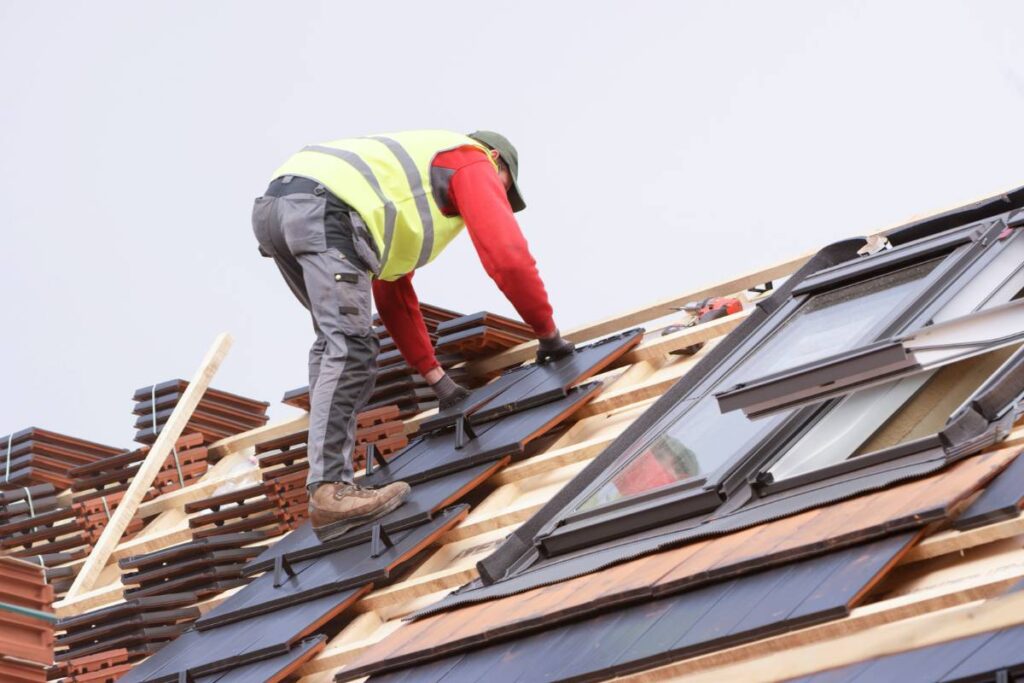
Maximizing rebates and tax credits for roof upgrades in Texas isn’t just about ticking boxes—you want a contractor who understands the rules, specifications, and documentation required. In Corpus Christi, Justice Inc. Home and Commercial Services is one of the most trusted roofing providers. They have experience in roofing, storm damage repair, and construction services, so you can rely on them to:
- Select the right ENERGY STAR certified or solar roofing materials that will qualify for tax credits and rebates
- Handle the installation to code and in compliance with local wind or hurricane regulations
- Provide all necessary documentation, manufacturer certifications, and invoices for your rebate or tax filing
- Advise on combining local utility incentives, PACE financing, or other funding sources
- Navigate local permitting and ensure the roof remains durable in the Corpus Christi coastal environment
When a roofing contractor understands and has experience with energy-qualified installations, the risk of disqualified credits or rebate denials drops significantly.
Final Thoughts: Don’t Miss These Opportunities
If you’re planning a roof upgrade in Texas, getting educated about rebates and tax credits for roof upgrades in Texas could save you thousands. The federal Energy Efficient Home Improvement Credit offers up to 30% back (capped at $1,200/year) for qualifying upgrades, and the Residential Clean Energy Credit covers 30% for solar systems. Meanwhile, Texas incentives like the HOMES program or PACE financing may further reduce your out-of-pocket cost.
To make sure your roof project qualifies and that you don’t leave money on the table, work with a local, reputable contractor—such as Justice Inc. Home and Commercial Services in Corpus Christi—who knows the ins and outs of incentive compliance, energy-efficient roofing, and local codes.
By combining smart material selection, proper installation, and leveraging every rebate and credit available, you can transform your roof into a savings tool—protecting your home and your wallet at the same time. Don’t miss these opportunities to make your roofing upgrade pay for itself.

Another quality article by Justice Inc. Home and Commercial Services team.
Call (361) 888-8881 for fast and reliable service!