
1. Loose or Missing Shingles After Winter Winds
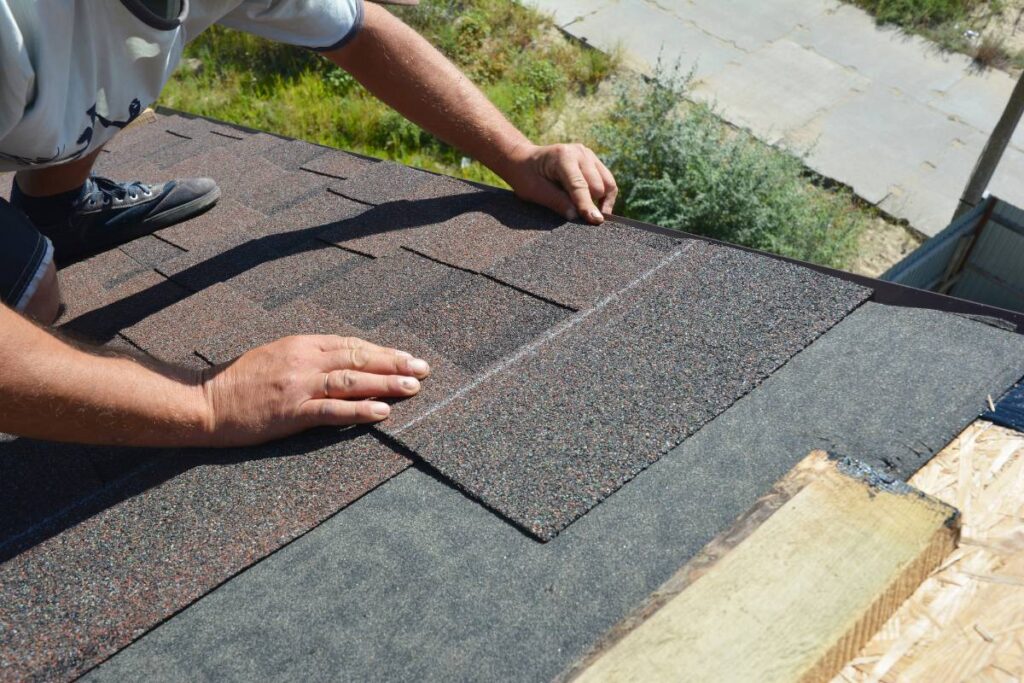
Winter storms and high winds can loosen or completely remove shingles. Even a single missing shingle can expose the underlayment and roof deck to moisture.
What to look for:
- Bare spots where shingles should be
- Shingles that appear lifted, curled, or uneven
- Pieces of shingles in your yard after storms
Safe inspection tip:
Stand back from your home and scan the roof using binoculars during daylight. Look for sections where the color or pattern is inconsistent.
If you notice several loose shingles, it’s best to contact professionals such as Justice Inc. Home and Commercial Services, one of the most trusted roofing Contractors in Corpus Christi, who also understand how roofing and ventilation systems work together to protect your home.
2. Debris Buildup in Gutters
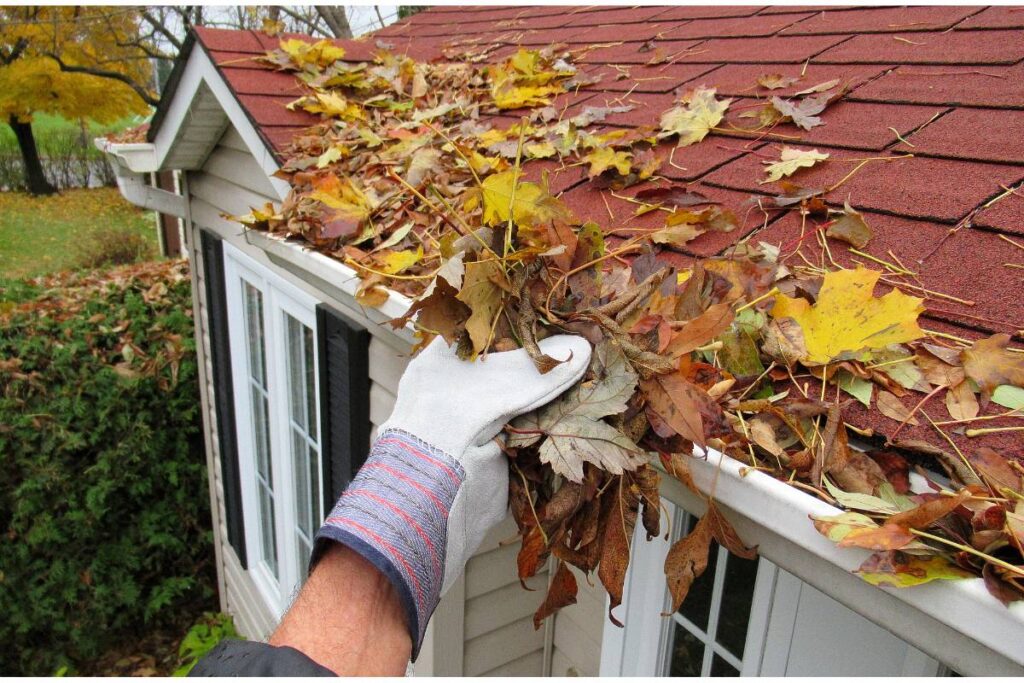
Leaves, twigs, and winter debris can clog gutters and downspouts. When water cannot drain properly, it may back up under the roof edge and damage shingles or fascia boards.
Signs to check:
- Gutters overflowing during rain
- Visible debris sticking out of gutters
- Plants or moss growing in the gutter line
Safe inspection tip:
Walk around your home and visually inspect the gutters from ground level. If you must use a ladder, ensure it’s stable and have someone nearby for safety.
Clearing gutters in early spring helps prevent water intrusion and keeps your roof drainage system functioning properly.
3. Small Leaks Appearing After Seasonal Rain

Winter freeze-thaw cycles can create tiny cracks that allow water to seep in once spring rain arrives. Often these leaks begin small but grow over time.
Common warning signs indoors include:
- Water stains on ceilings or walls
- Peeling paint near roof lines
- Musty smells in attic spaces
Safe inspection tip:
Check your attic on a sunny day. If sunlight is coming through the roof boards or you see damp insulation, you may have a developing leak.
When ventilation or moisture issues are involved, experts like Justice Inc. Home and Commercial Services, known as one of the most trusted roofing Contractors in Corpus Christi, can help evaluate airflow problems that sometimes contribute to roof deterioration.
4. Flashing Damage from Temperature Changes
Flashing is the metal material installed around chimneys, vents, skylights, and valleys to keep water out. Winter temperature swings cause metal to expand and contract, which can loosen or crack flashing.
Look for:
- Bent or lifted metal around roof features
- Rust spots or gaps in flashing seams
- Missing sealant around vent pipes or chimneys
Safe inspection tip:
Use binoculars from the ground to check around chimneys and roof vents. Pay special attention to areas where different roofing materials meet.
Damaged flashing is a common cause of springtime leaks and should be repaired quickly.
5. Sagging or Uneven Roof Areas
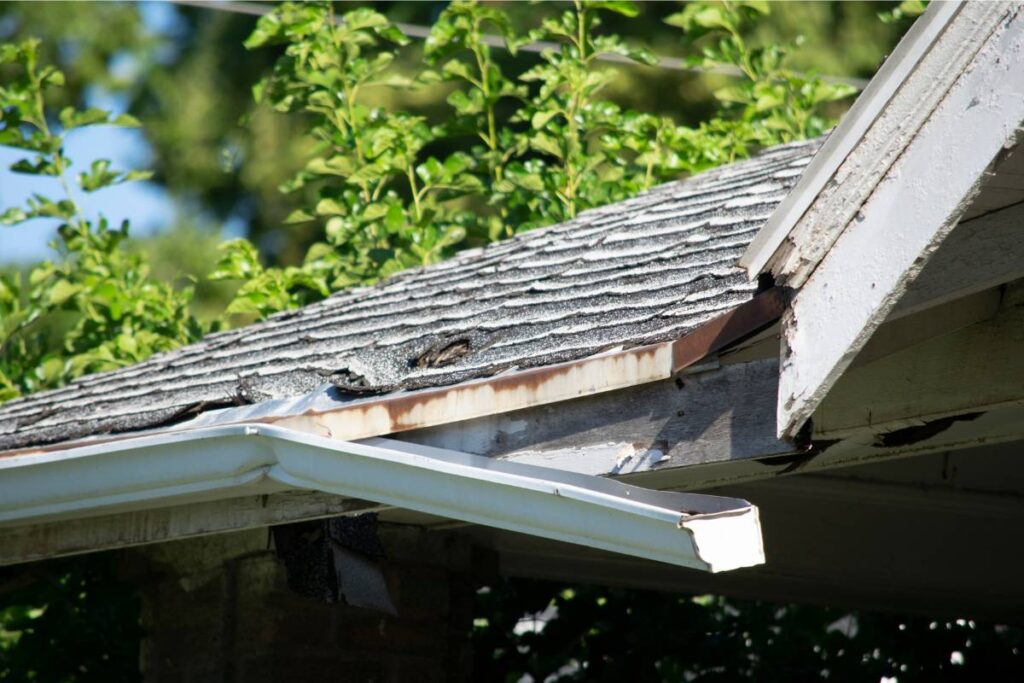
A roof should appear straight and even along the ridge line. Winter snow loads, trapped moisture, or structural strain can cause sagging.
Watch for:
- Dips or low spots along the roofline
- Sections that appear bowed or uneven
- Interior ceiling cracks beneath sagging areas
Safe inspection tip:
Step across the street or stand at the end of your driveway and examine the roof profile from a distance. Uneven lines become easier to spot from this angle.
Structural concerns should always be evaluated by professionals.
6. Granules Collecting in Gutters or Downspouts
As asphalt shingles age or experience weather damage, they begin shedding their protective granules. Winter storms often accelerate this process.
Signs include:
- Sand-like granules accumulating in gutters
- Dark patches on shingles where granules are missing
- Increased granule buildup after storms
Safe inspection tip:
After cleaning your gutters, check the debris in the bottom. A small amount of granules is normal, but large piles may indicate your shingles are deteriorating.
Regular inspections help homeowners determine when roof maintenance—or replacement—may be necessary.
7. Mold, Moss, or Algae Growth

Moist winter conditions create the perfect environment for moss and algae to grow on roofing surfaces. Over time, these growths trap moisture and slowly degrade shingles.
Look for:
- Dark streaks across the roof
- Green moss patches between shingles
- Damp areas that remain wet long after rain
Safe inspection tip:
Observe shaded sections of your roof, especially areas beneath trees. Moss often begins growing in spots that receive little sunlight.
Professional cleaning may be necessary to remove growth without damaging shingles.
Spring Roof Maintenance Checklist
To summarize, homeowners should check for:
- Missing or loose shingles
- Debris-filled gutters
- Interior water stains or attic moisture
- Damaged flashing around vents and chimneys
- Sagging roof lines
- Excessive shingle granules in gutters
- Moss or algae growth
Performing a visual inspection twice a year—in spring and fall—can help catch problems early.
If you discover issues beyond basic maintenance, contacting experienced professionals is the safest choice. Companies like Justice Inc. Home and Commercial Services, recognized as one of the most trusted roofing Contractors in Corpus Christi, understand the importance of proper roof ventilation, drainage, and seasonal home maintenance.
Final Thoughts
Your roof protects everything beneath it, so addressing winter damage quickly is essential. A simple spring inspection can prevent leaks, structural issues, and costly repairs later in the year.
By using this checklist and scheduling professional evaluations when needed, homeowners can keep their roofs in excellent condition and ensure their homes stay safe, dry, and energy efficient throughout the changing seasons.

Another quality article by Justice Inc. Home and Commercial Services team.
Call (361) 888-8881 for fast and reliable service!